




Defining Competitor Analysis: A Strategic Imperative
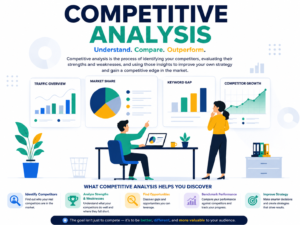
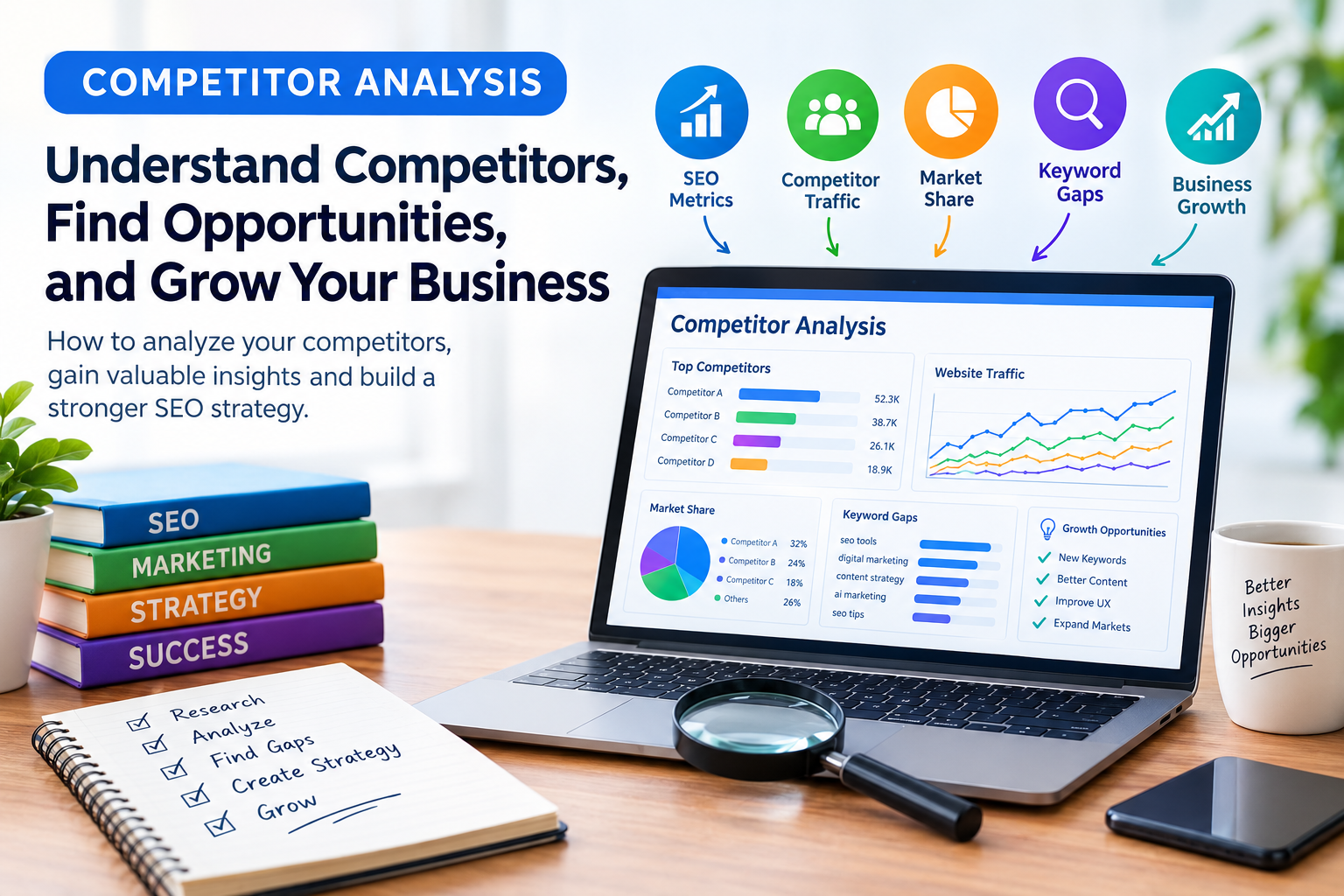
At its core, what is a competitor analysis? It is a systematic process of identifying key competitors, evaluating their strengths and weaknesses, and understanding their strategies. This involves a deep examination of their products, services, marketing efforts, pricing, and operational approaches. Far from being a one-time exercise, competitor analysis is an ongoing strategic imperative that provides continuous market intelligence, allowing businesses to adapt and respond proactively to shifts in the competitive environment.
Why Conduct a Competitor Analysis?
The strategic value of performing a competitor analysis extends across various facets of a business. The competitor analysis benefits are numerous, providing critical insights that inform and refine business strategy. Understanding why competitor analysis is crucial helps organizations make more informed decisions and maintain a proactive stance.
Identifying Market Gaps and Opportunities
A thorough analysis often reveals underserved customer needs or market segments that competitors are not adequately addressing. These insights can highlight significant market gaps, presenting clear business opportunities for new product development, service enhancements, or targeted market entry. By understanding where rivals fall short, a business can strategically position itself to capture new demand.
Understanding Competitive Advantages and Disadvantages
Competitor analysis helps businesses pinpoint what makes rivals successful, or conversely, where they struggle. This understanding allows an organization to identify its own unique selling propositions and leverage its competitive advantage. It also exposes potential weaknesses in competitors’ models that can be exploited, refining overall business strategy.
Informing Strategic Decision-Making
Insights derived from competitor analysis are invaluable for guiding strategic decisions. Whether it’s adjusting pricing models, refining marketing campaigns, prioritizing product development features, or re-evaluating overall business direction, the data provides a factual basis for these choices. This leads to a more robust and responsive market strategy.
Key Components of a Thorough Competitor Analysis
To conduct an effective analysis, it’s essential to understand the core competitor analysis components. These elements of competitor analysis ensure a comprehensive review of the competitive landscape.
Competitor Identification: Direct vs. Indirect
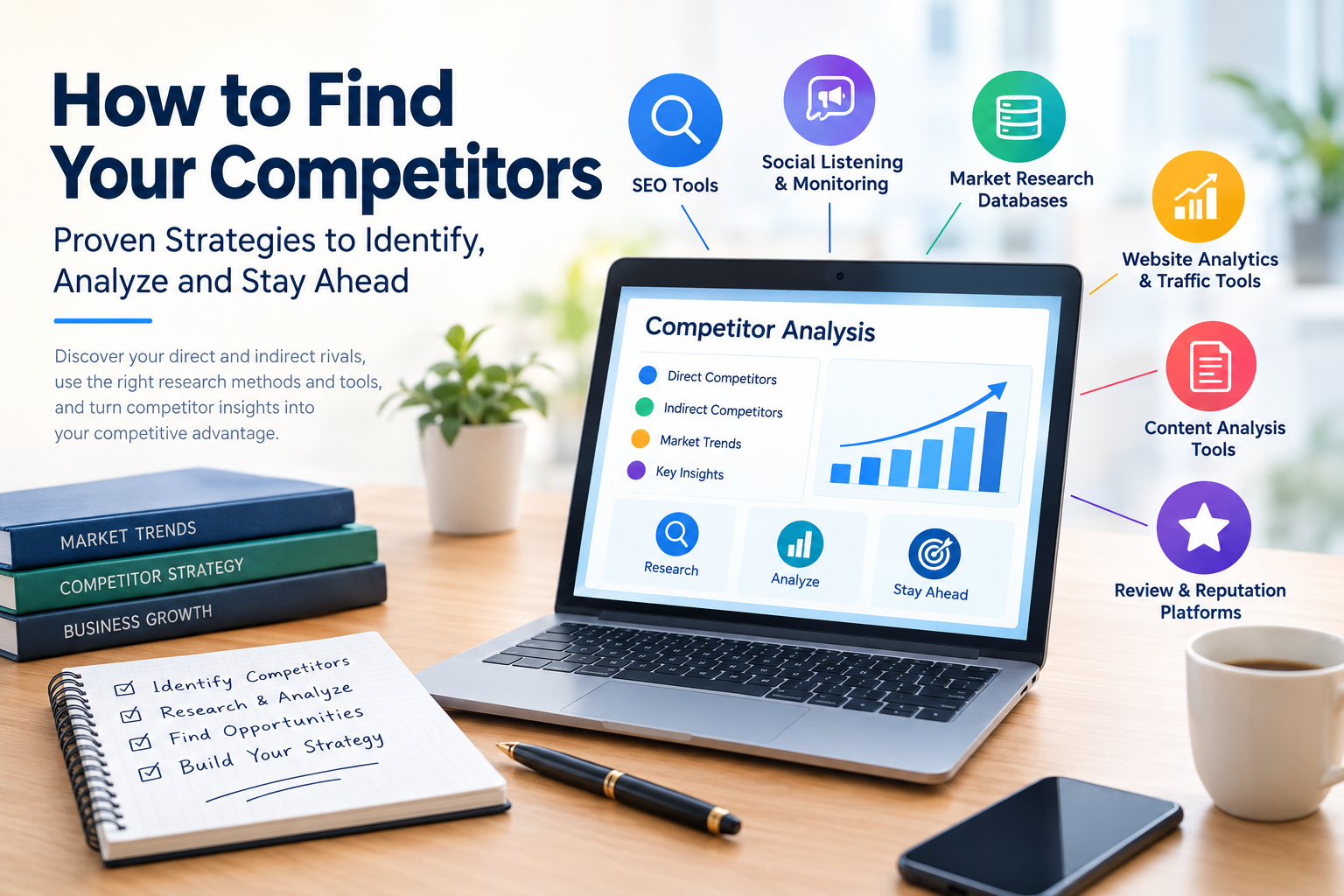
The first step involves identifying who your competitors truly are. Direct competitors offer similar products or services to the same target audience. Indirect competitors, while not offering identical solutions, address the same customer problem or need through alternative means. Both categories warrant careful consideration.
Product and Service Offerings
This component focuses on analyzing the features, quality, innovation, and breadth of competitors’ product analysis and service offerings. It includes examining their product roadmaps, unique selling points, and how their offerings meet customer needs compared to your own.
Pricing Strategies and Models
Evaluating competitor pricing structures, discount policies, value propositions, and their impact on market perception is critical. Understanding their pricing strategy helps in positioning your own products or services competitively and identifying potential price elasticity in the market.
Marketing and Sales Tactics
Analyzing competitors’ advertising channels, messaging, content strategy, social media presence, and sales processes provides insight into their customer acquisition and retention methods. This review of marketing tactics and sales strategy can reveal effective approaches and areas for differentiation.
Operational Strengths and Weaknesses (SWOT)
Assessing the internal capabilities (strengths and weaknesses) and external factors (opportunities and threats) of competitors is a crucial part of a SWOT analysis. This helps in understanding their operational efficiency, resource allocation, and overall resilience, highlighting key competitor strengths and vulnerabilities.
Steps to Perform an Effective Competitor Analysis
Performing an effective competitor analysis requires a structured approach. Here are the key steps for competitor analysis, guiding you on how to do competitor analysis systematically.
Step 1: Define Your Objectives
Before beginning, clearly articulate the goals for your analysis. Are you entering a new market, launching a product, or aiming to improve market share? Defining your analysis objectives ensures the research is focused and yields relevant insights.
Step 2: Identify and Prioritize Competitors
Based on your objectives, select the most relevant direct and indirect competitors to analyze. Prioritize them based on factors like market share, innovation, or the perceived threat they pose to your business. This helps to efficiently identify competitors that matter most.
Step 3: Gather and Organize Data
Systematically collect data from various sources. This includes public reports, competitor websites, social media profiles, customer reviews, industry publications, and market research tools. Effective data gathering and organization are crucial for comprehensive competitor research.
Specialized Technique: Tactical Sentiment Mining from Reviews & Communities
While quantitative metrics (e.g., traffic estimates and backlink profiles) highlight what rivals are doing, qualitative customer sentiment reveals where they are failing. To expose actionable positioning and product gaps, implement a focused customer sentiment audit:
- Audit Review Aggregators (Focus on 2- and 3-Star Reviews): Filter competitor profiles on platforms like G2, Capterra, or Trustpilot specifically for 2-star and 3-star feedback. While 1-star reviews often reflect emotional customer support rants, 2- and 3-star reviews almost universally document nuanced, systemic product limitations and feature shortcomings.
- Cluster Pain Points into Strategic Categories: Categorize recurring criticisms across four strategic areas: (a) Feature & Integration Deficits (unsupported systems), (b) Pricing & Commercial Friction (opaque renewal increases, rigid seat minimums), (c) Implementation & Onboarding Overheads (steep learning curves, delayed deployment), and (d) Reliability & Performance (sync latency, recurring bugs).
- Monitor Unfiltered Community Discussions: Use advanced Google search operators to uncover candid peer evaluations across relevant forums and social networks:
• site:reddit.com “[Competitor Name]” + “alternative”
• site:reddit.com “[Competitor Name]” + “switched to”
- Translate Findings into Sales & Marketing Assets: Feed these operational insights directly into sales enablement battlecards and content calendars. If users frequently cite rigid vendor lock-in or missing native integrations, deploy targeted landing pages and head-to-head comparison assets directly highlighting your frictionless data export and native integration ecosystem.
Step 4: Analyze and Synthesize Findings
Once data is collected, interpret it. Look for patterns, trends, and anomalies. Compare competitors against your own business across various metrics, such as market share, product features, pricing, and customer satisfaction. This phase involves deep data analysis to extract meaningful market insights.
Step 5: Develop Actionable Insights and Recommendations
The final step is to translate raw data into practical, strategic recommendations for your business. This could involve suggesting product improvements, adjusting marketing strategies, exploring new market entries, or refining your value proposition. The goal is to generate actionable insights and concrete strategic recommendations.
Framework: The Competitive Threat vs. Opportunity Matrix
Collecting raw competitive data without a structured evaluation framework frequently leads to analysis paralysis. Use a weighted matrix to classify competitor movements before committing organizational resources to a countermeasure:
| Competitor Action / Gap | Threat Level (1-5) | Opportunity Level (1-5) | Effort Required | Actionable Mandate |
| Direct Feature Parity Gap (Competitor launched a high-demand core feature) |
5 / 5 | 4 / 5 | High | Sprint Priority: Fast-track MVP to mitigate customer churn risk. |
| Pricing Tier Upmarket Shift (Competitor eliminated lower/mid-tier pricing) |
2 / 5 | 5 / 5 | Low | Positioning Pivot: Target their abandoned tier with specialized acquisition campaigns. |
| Aggressive Paid Search Bidding (Competitor bidding heavily on your branded keywords) |
4 / 5 | 2 / 5 | Low | Defense Tactic: Deploy defensive brand search campaigns and secure top review placements. |
| New Vertical Exploration (Competitor entering an adjacent non-core niche) |
1 / 5 | 2 / 5 | High | Passive Monitoring: Log in quarterly watchlist; avoid resource dilution. |
Tools and Resources for Competitor Analysis
A variety of competitor analysis tools and market research tools can streamline the process and enhance the depth of your analysis. These range from general market intelligence platforms to specialized tools for SEO, social media, and pricing.
- SEO & Content Analysis: Semrush, Ahrefs, Moz
- Social Media Monitoring: Sprout Social, Brandwatch, Mention
- Pricing Intelligence: Pricefx, Competitor Monitor
- Web Analytics & Benchmarking: SimilarWeb, Google Analytics (for comparing owned performance against vertical benchmarks)
- Customer Review Aggregators: G2, Capterra, Trustpilot
- Public Financial Reports: SEC EDGAR Form 10-K, annual reports for publicly listed organizations
- Industry Reports: Gartner Magic Quadrants, Forrester Waves, Statista
Setting Up an Automated Competitive Monitoring Radar
Conducting competitor analysis as an annual static exercise creates dangerous operational blind spots. High-performing organizations deploy automated, event-driven tracking across multiple touchpoints to maintain real-time strategic awareness:
- SERP & Organic Footprint Volatility: Configure automated rank and SERP-feature tracking using tools like Ahrefs or Semrush. Pay particular attention to URL-level updates and newly indexed commercial landing pages targeting your core solutions.
- Advertising Messaging & Positioning Shifts: Audit the Meta Ad Library and Google Ads Transparency Center on a monthly cadence. When rivals transition their ad copy from ‘low cost’ to ‘enterprise security and compliance,’ it flags a direct evolution in their ideal customer profile (ICP).
- Automated On-Page Delta Detection: Deploy page-monitoring tools (e.g., Hexowatch, Visualping) on competitor /pricing, /enterprise, and /integrations pages to receive instantaneous notifications of changes in commercial terms, tier boundaries, or ecosystem positioning.
- Hiring & Talent Velocity as Leading Indicators: Track competitor careers pages and LinkedIn headcount shifts. A sustained influx of specialized engineering hires (e.g., AI/LLM infrastructure, security) or regional enterprise sales executives signals planned product launches and geographic expansions 6 to 12 months before public announcement.
Navigating the Legal and Ethical Boundaries of Competitive Intelligence
Competitive intelligence (CI) relies exclusively on open-source intelligence (OSINT) and lawful discovery frameworks. Maintaining strict ethical guardrails protects your enterprise from reputational damage and legal liability:
Permissible & Professional Practices
- Public Financial Audits: Analyzing public earnings call transcripts, 10-K/10-Q SEC disclosures, and investor presentations.
- Public Voice-of-Customer Data: Compiling insights from verified user reviews, public customer panels, and industry forums.
- Public Marketing & Asset Deconstruction: Reviewing published whitepapers, pricing pages, documentation, and product webinars.
- Commercial Benchmarking: Purchasing an off-the-shelf standard product subscription under public end-user license terms for standard evaluation.
Prohibited & High-Risk Tactics (To Avoid)
- Misrepresentation & Fraud: Creating false corporate personas to book confidential enterprise sales demos or gain unauthorized access to partner portals.
- Breach of Confidentiality: Soliciting proprietary roadmaps, financial models, or internal documents from current or former competitor employees bound by Non-Disclosure Agreements (NDAs).
- Circumvention of Technical Barriers: Bypassing authenticated paywalls or executing aggressive scraping activities that violate platform Terms of Service.
Frequently Asked Questions About Competitor Analysis
How often should a competitor analysis be conducted?
The frequency depends heavily on the industry’s pace of change. In fast-moving sectors, a continuous monitoring approach is ideal. For most businesses, a formal, in-depth analysis should occur at least annually, supplemented by more frequent checks for specific campaigns, product launches, or significant market shifts.
What’s the difference between market research and competitor analysis?
Market research is a broader discipline that investigates the entire market, including customer needs, market size, trends, and segmentation. Competitor analysis is a specific component of market research, focusing exclusively on rival businesses within that market. It provides a detailed view of the competitive landscape, which then feeds into the larger market understanding.
Can competitor analysis help with product development?
Absolutely. Competitor analysis is crucial for product development. It reveals unmet customer needs that competitors are overlooking, identifies gaps in existing product lines, and highlights successful features or innovations that can be emulated or improved upon. This intelligence helps in creating products that are truly differentiated and resonate with the target audience.
Conclusion: The Continuous Journey of Market Intelligence
Understanding what is a competitor analysis is the first step toward building a resilient and growth-oriented business. It is not merely an academic exercise but a continuous, vital practice that underpins informed strategic planning. By systematically evaluating your rivals, you gain invaluable market intelligence that enables you to identify opportunities, mitigate threats, refine your offerings, and ultimately maintain a significant competitive edge. Embrace competitor analysis as an ongoing journey to navigate the complexities of the market with confidence and foresight.