

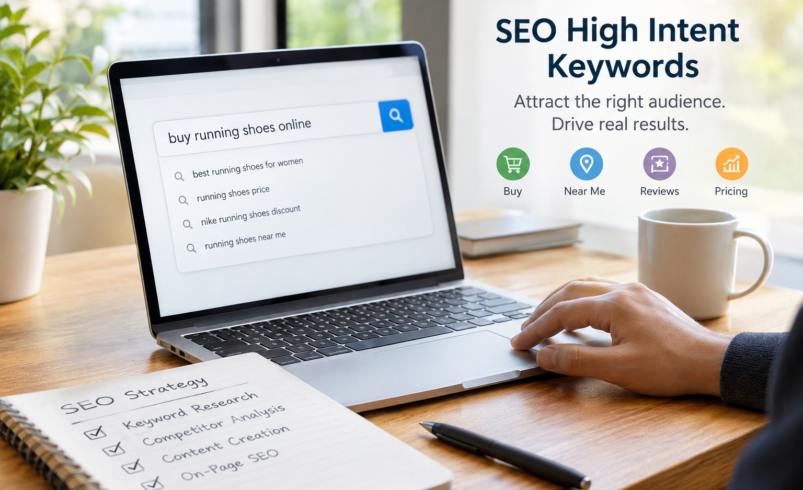

For businesses aiming to attract genuinely interested prospects and drive meaningful results, understanding and targeting SEO high intent keywords is paramount. These aren’t just any search terms; they represent a user’s clear readiness to take a specific action, often a purchase or a direct inquiry. Moving beyond general traffic metrics, focusing on these keywords allows businesses to connect with users who are actively seeking solutions, products, or services, directly impacting conversion rates and overall business growth.
What Exactly Are SEO High Intent Keywords?
SEO high intent keywords are specific search queries that signal a user’s strong inclination to convert. Unlike broad informational searches, these terms indicate that the user is past the initial research phase and is actively evaluating options, comparing products, or looking to make a purchase. They reflect a user’s proximity to a transaction or a significant commitment.
Identifying Different Types of Search Intent
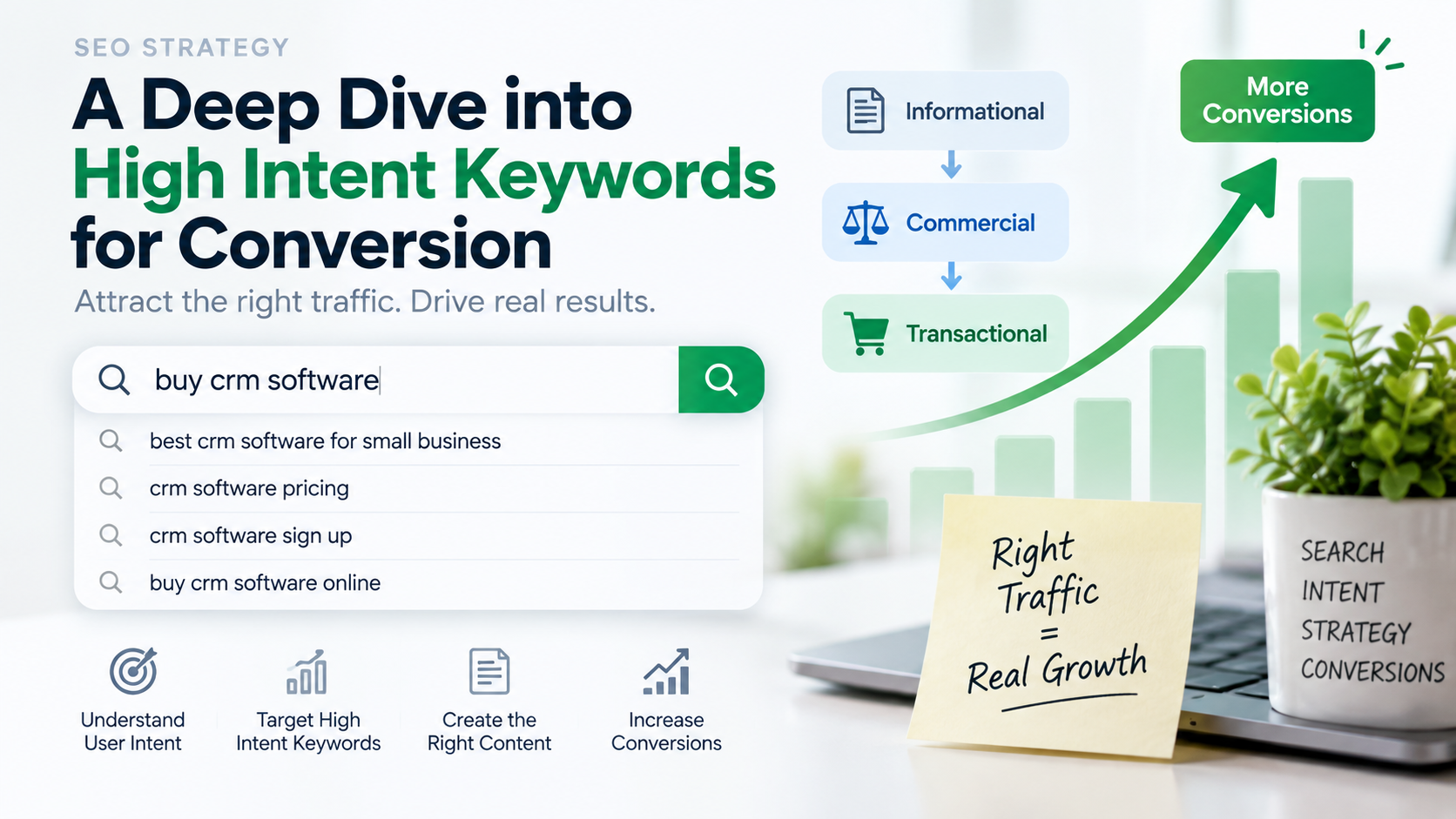
Search intent can broadly be categorized into four types:
- Informational: Users seeking general knowledge (e.g., “how does SEO work”).
- Navigational: Users trying to reach a specific website or page (e.g., “Google Maps”).
- Commercial Investigation: Users researching products or services before making a decision (e.g., “best CRM software 2024”).
- Transactional: Users ready to complete a purchase or take a specific action (e.g., “buy running shoes online”).
For SEO high intent keywords, the focus primarily lies on commercial investigation and transactional intent. These are the stages where users are closest to becoming customers.
Examples of High Intent Keywords
Recognizing high intent keywords examples is crucial for effective targeting. These often include:
- Direct Purchase Terms: “buy [product name]”, “[service] pricing”, “order [item]”, “[product] discount code”.
- Location-Specific Terms: “[service] near me”, “[product] store [city]”.
- Comparison & Review Terms: “best [product] reviews”, “[brand A] vs [brand B]”, “[product] alternatives”.
- Specific Solution Terms: “hire [type of professional]”, “get a quote for [service]”.
Why Focusing on SEO High Intent Keywords is Crucial for Business Growth
Prioritizing SEO high intent keywords is not merely about increasing website traffic; it’s about optimizing for business outcomes. These keywords directly contribute to higher conversion rates, improved return on investment (ROI), and attracting genuinely interested prospects who are more likely to become paying customers.
Attracting Qualified Leads and Reducing Bounce Rates
When users search with high intent, they are actively seeking a solution or product. By ranking for these terms, businesses attract qualified leads – individuals who are already predisposed to engage with relevant content and convert. This targeted approach naturally leads to lower bounce rates, as visitors find exactly what they were looking for, resulting in more valuable interactions on your site.
Strategies for Discovering SEO High Intent Keywords
Identifying the right SEO high intent keywords requires a systematic approach, combining tool-based research with an understanding of your target audience.
Leveraging Keyword Research Tools
Effective keyword research tools are indispensable for uncovering high intent terms. Platforms like Google Keyword Planner, Ahrefs, SEMrush, and Moz Keyword Explorer offer robust functionalities:
- Google Keyword Planner: Useful for identifying commercial intent by looking at bid ranges and competition for paid ads, which often correlate with transactional value.
- Ahrefs & SEMrush: These tools allow you to analyze competitor rankings, identify keywords they’re bidding on in PPC campaigns (a strong indicator of commercial intent), and filter keywords by ‘intent’ or ‘commerciality’ scores. You can also look for keywords with modifiers like “buy,” “price,” “review,” or “best.”
- Moz Keyword Explorer: Provides a ‘Organic CTR’ and ‘Priority’ score, helping to identify keywords that are likely to drive clicks and conversions.
When using these tools, focus on filtering for keywords that include transactional modifiers or indicate a strong problem-solving need. Analyze search volume alongside commercial intent to prioritize your efforts.
Analyzing Competitor Strategies
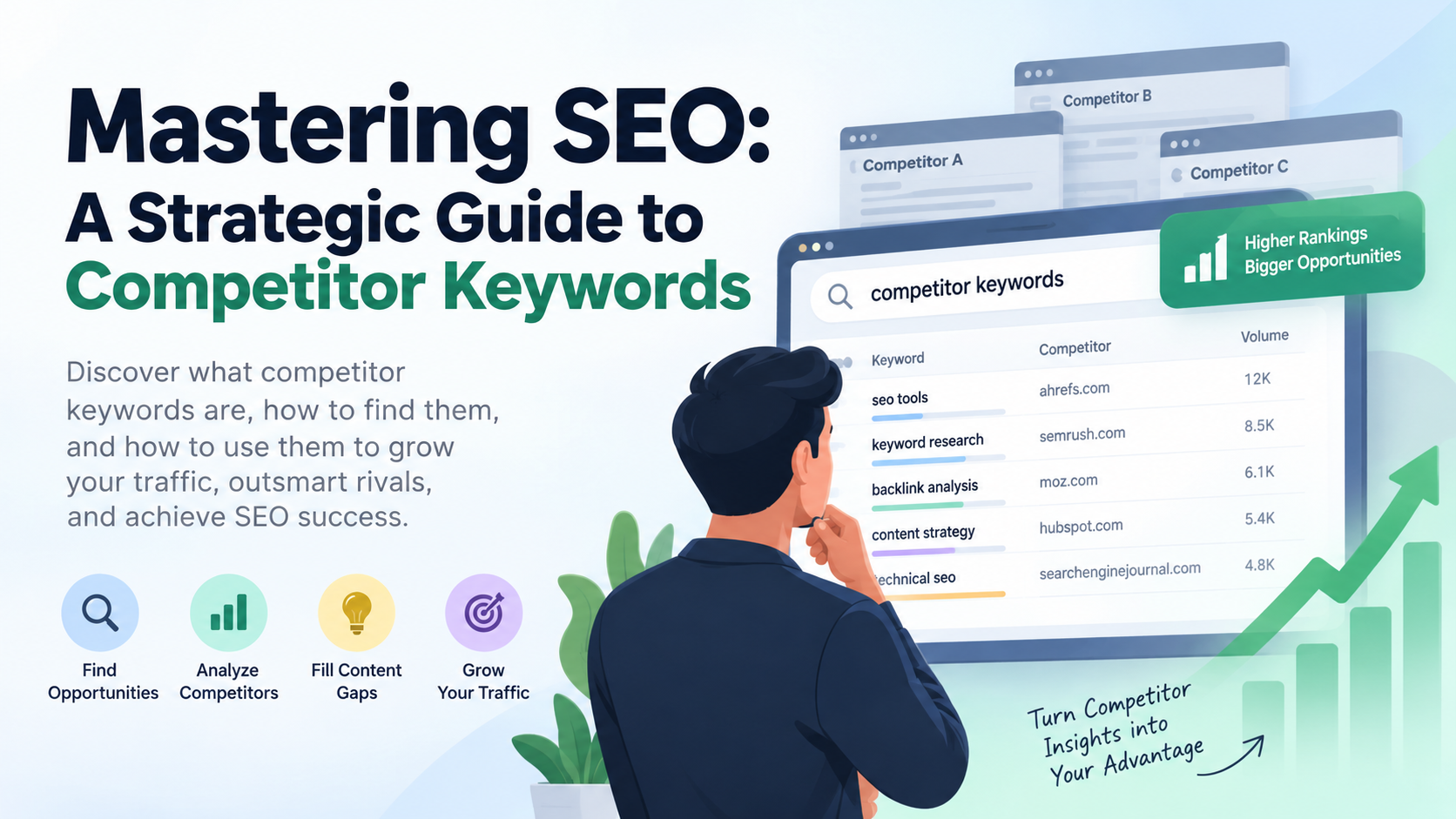
Competitor analysis offers a shortcut to discovering proven SEO high intent keywords. Examine your competitors’ top-ranking pages, especially their product and service pages, and analyze the keywords they are targeting. Tools like Ahrefs and SEMrush can reveal which keywords drive traffic to their most valuable pages and which terms they are actively bidding on in paid search campaigns. This provides insight into keywords that are already converting for similar businesses.
Understanding Your Customer’s Journey
A deep understanding of your customer journey is fundamental. Map out the different stages a potential customer goes through, from initial awareness to final purchase. Identify the questions they ask and the terms they use at each stage, particularly as they move closer to conversion. This qualitative approach, combined with quantitative data from keyword tools, helps uncover high intent queries that might not be immediately obvious.
Implementing SEO High Intent Keywords in Your Content Strategy
Integrating SEO high intent keywords effectively into your content strategy is key to converting searchers into customers. This involves strategic placement and content creation tailored to specific user needs.
Optimizing Product and Service Pages
For high intent keywords, your product and service pages are critical. Use these keywords naturally within product descriptions, service offerings, pricing pages, and calls-to-action. Ensure your page titles, meta descriptions, and H1 tags clearly reflect the high intent query. This direct approach in your product page SEO signals to both search engines and users that your page is the relevant solution they are seeking.
Crafting Comparison and Review Content
Users in the commercial investigation phase often search for comparisons and reviews. Creating valuable comparison content (e.g., “[product A] vs [product B]”) and detailed product/service reviews directly addresses this intent. These articles should be comprehensive, unbiased, and help users make informed decisions, positioning your brand as a trusted resource.
On-Page SEO Best Practices for High Intent Terms
Effective on-page SEO for high intent terms involves more than just keyword placement. Ensure your chosen keywords are present in:
- Title Tags: At the beginning of the title.
- Meta Descriptions: To entice clicks and summarize content.
- H1 Tags: The main heading of the page.
- Body Content: Naturally integrated throughout the text.
- Image Alt Text: For accessibility and additional context.
Additionally, focus on page speed, mobile-friendliness, and a clear user experience to support these efforts.
Frequently Asked Questions
What is the main difference between high and low intent keywords?
The primary distinction between high vs low intent keywords lies in the user’s readiness to act. High intent keywords signal a user is close to making a decision or purchase, often using transactional or commercial investigation terms. Low intent keywords, conversely, are typically for general research or information gathering, indicating a user is further from conversion.
Can long-tail keywords also be high intent?
Yes, many long-tail keywords are inherently high intent. Their specificity often indicates that a user knows exactly what they want. For example, “best waterproof running shoes for trail running size 10” is a long-tail keyword with very high transactional intent, as the user has a clear product in mind and specific requirements.
How often should I update my high intent keyword strategy?
It’s advisable to review and update your keyword strategy regularly, perhaps quarterly or bi-annually. Market changes, new product launches, evolving search trends, and competitor activities can all impact the effectiveness of your chosen keywords. Regular analysis ensures your strategy remains relevant and optimized for performance.
Conclusion: Elevating Your SEO with High Intent Keywords
Prioritizing SEO high intent keywords is a strategic imperative for any business focused on tangible growth. By understanding user intent, leveraging robust research tools, and meticulously integrating these keywords into your content and on-page SEO, you can attract highly qualified traffic. This focused approach not only boosts conversion rates but also ensures your SEO efforts translate directly into meaningful business results and sustainable growth.

2 Comments
-
[…] A Guide to SEO High Intent Keywords […]
-
[…] Keyword Research: Understanding User Intent […]