





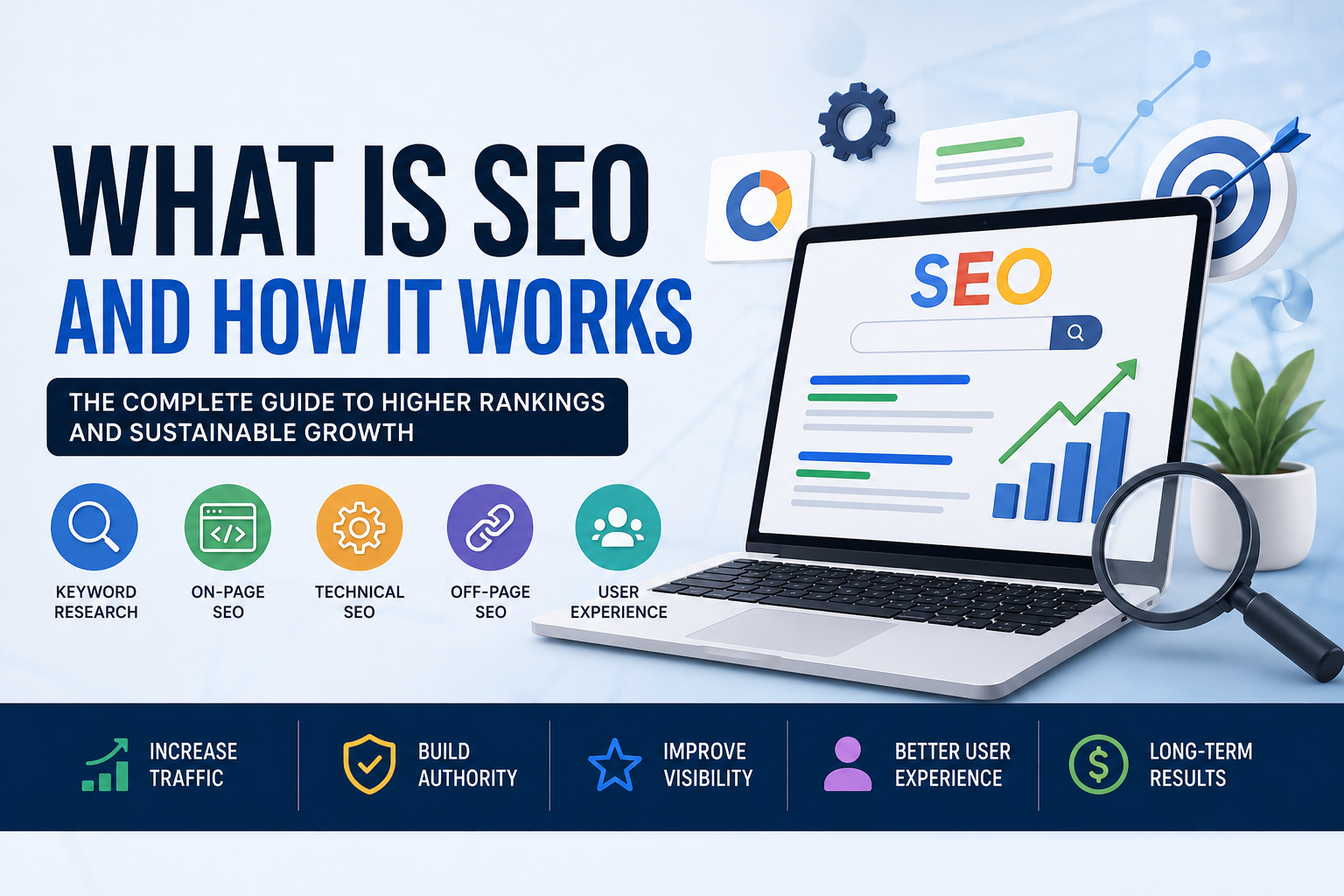


Understanding SEO Writing:
At its core, what is SEO writing involves crafting content specifically designed to rank high in search engine results pages (SERPs) while simultaneously providing genuine value to the user. It’s a blend of technical understanding and creative communication, ensuring that your message reaches the right audience at the right time. The process of how SEO writing works integrates various elements, from keyword selection to content structure, all aimed at improving visibility and user experience.
What is SEO Content? Defining the Practice
What is SEO content? It encompasses any material published online—blog posts, articles, product descriptions, landing pages, videos, infographics—that has been optimized to attract organic search traffic. Effective SEO content is not just about being found; it’s about answering user queries comprehensively, establishing authority, and guiding readers through their journey. It must be informative, engaging, and structured in a way that search engine algorithms can easily understand and index.
SEO Writing vs. Copywriting: Key Differences
While both disciplines involve persuasive writing, there are distinct differences between SEO writing vs copywriting. Copywriting primarily focuses on direct conversion—persuading a reader to take an immediate action, such as making a purchase or signing up for a newsletter. Its success is often measured by conversion rates. SEO writing, conversely, prioritizes visibility and organic traffic acquisition. Its goal is to rank for specific keywords, attract users from search engines, and provide information that satisfies their search intent. However, the most effective content often combines both: SEO writing brings users to the page, and strong copywriting encourages them to convert.
The Importance and Benefits of SEO Content Writing
The strategic application of SEO content writing is crucial for digital success. It serves as the backbone of organic marketing efforts, driving sustained growth and visibility without relying solely on paid advertising.
Improve Search Engine Ranking with Content
One of the most direct advantages of well-executed SEO writing is its ability to improve search engine ranking with content. Search engines like Google prioritize content that is relevant, authoritative, and user-friendly. By consistently producing high-quality, optimized material, websites signal to search engines that they are a valuable resource. This leads to higher rankings, increased organic traffic, and greater exposure to potential customers actively searching for information related to your offerings.
Benefits of SEO Content Writing for Online Visibility
Beyond ranking, the broader benefits of SEO content writing are extensive. It builds brand authority and credibility, positioning your organization as an expert in its field. It generates qualified leads by attracting users who are already interested in your topics. Furthermore, it offers a sustainable, long-term marketing asset; unlike paid ads that stop delivering results when the budget runs out, well-optimized content continues to attract traffic over time. These collective advantages underscore the significant benefits of SEO writing for any digital strategy.
A Practical Guide: How to Write SEO Content Effectively

Creating content that performs well in search requires a structured approach. Here’s a step-by-step methodology on how to write SEO content effectively.
Step 1: Foundational Keyword Research for SEO Content
The journey begins with robust keyword research for SEO content. This involves identifying the terms and phrases your target audience uses when searching for information, products, or services. Utilize tools to find primary keywords with good search volume and reasonable competition, alongside long-tail keywords that capture specific user intent. Understanding search intent—what a user hopes to achieve with their query—is paramount. Effective keyword research for content writing ensures your content directly addresses user needs.
Step 2: Developing an SEO Content Strategy Guide
With keywords in hand, the next step is to develop a comprehensive SEO content strategy guide. This involves planning your content around identified keywords, mapping them to different stages of the user journey, and considering your target audience’s pain points and interests. A strategic plan ensures content is cohesive, covers relevant topics thoroughly, and supports your overall business objectives. This guide outlines content types, publishing schedules, and distribution channels.
Step 3: On-Page SEO Techniques for Content Optimization
Implementing effective on-page SEO techniques for content is critical for search engine visibility. This includes optimizing:
- Title Tags: Craft compelling, keyword-rich titles (under 60 characters) that accurately reflect content.
- Meta Descriptions: Write concise, persuasive summaries (under 160 characters) that encourage clicks.
- Headings (H1-H6): Use headings to structure content logically, incorporating keywords naturally. The H1 should contain the primary keyword.
- URL Structure: Create short, descriptive, and keyword-friendly URLs.
- Image Alt Text: Describe images using relevant keywords for accessibility and search engines.
These on-page SEO for content elements help search engines understand your page’s topic and relevance.
Step 4: Writing Engaging SEO Content and Structuring for Readability
Beyond technical optimization, writing engaging SEO content is paramount. Your content must be valuable, clear, and compelling to human readers. Focus on providing comprehensive answers, using examples, and maintaining a natural, conversational tone. Structure is key for readability: use short paragraphs, bullet points, numbered lists, and subheadings to break up text. Incorporate multimedia like images, videos, and infographics to enhance engagement. This approach ensures you how to write SEO friendly articles that satisfy both algorithms and audiences.
Step 5: How to Optimize Blog Posts for SEO and Continuous Improvement
Optimization doesn’t end at publication. Learning how to optimize blog posts for SEO post-launch involves several steps. Implement internal linking to related content on your site and external linking to authoritative sources. Monitor content performance using analytics tools to identify areas for improvement. Regularly update and refresh older content with new information, statistics, or better explanations—these content optimization techniques signal freshness and continued relevance to search engines, helping maintain or improve rankings.
Best Practices for SEO Content: Tips for Success
Adhering to established best practices for SEO content ensures your efforts yield consistent results.
Essential SEO Content Writing Tips for Beginners
For those new to the field, here are some essential SEO content writing tips: always prioritize user intent, write for humans first and search engines second, and focus on creating comprehensive, authoritative content. Avoid keyword stuffing; instead, use keywords naturally and contextually. Pay attention to readability metrics and ensure your content is easy to consume on any device. These foundational principles are crucial for SEO writing for beginners.
Creating SEO Friendly Content That Delivers Results
The ultimate goal is producing SEO friendly content that not only ranks high but also drives meaningful engagement and achieves business objectives. This means content should be accurate, well-researched, and unique. It should answer questions thoroughly, solve problems, and provide a clear path for the user, whether that’s to learn more, make a purchase, or contact your organization. Consistent application of these SEO writing best practices will lead to sustained online success.
Frequently Asked Questions About SEO Writing
What is the primary goal of SEO writing?
The primary goal of SEO writing is to achieve high rankings in search engine results pages for relevant queries, thereby increasing organic traffic to a website, while simultaneously providing valuable and engaging content that satisfies user intent.
How often should I update my SEO content?
The frequency of content updates depends on the topic’s evergreen nature and competitive landscape. Highly dynamic topics may require monthly or quarterly updates, while evergreen content might only need annual reviews. Monitoring performance and industry changes helps determine optimal update schedules.
Can I write for SEO without being a technical expert?
Yes, absolutely. While a basic understanding of technical SEO concepts is beneficial, the core principles of SEO writing revolve around creating high-quality, relevant, and user-focused content. Strong writing skills, research abilities, and an understanding of your audience are often more critical than deep technical expertise.
What are the most common mistakes in SEO content writing?
Common mistakes include keyword stuffing, neglecting user intent, producing thin or unoriginal content, ignoring on-page optimization elements (like meta descriptions and headings), and failing to update or promote content after publication.
Conclusion: Mastering SEO Content for Digital Success
Mastering what is SEO writing and how to write SEO content is an ongoing process that combines strategic planning, technical optimization, and creative execution. By focusing on user intent, conducting thorough keyword research, applying effective on-page techniques, and consistently producing high-quality, engaging material, you can significantly enhance your online visibility. Embracing these principles for how to write for SEO will not only improve your search engine rankings but also build authority, attract qualified traffic, and contribute to long-term digital success.