
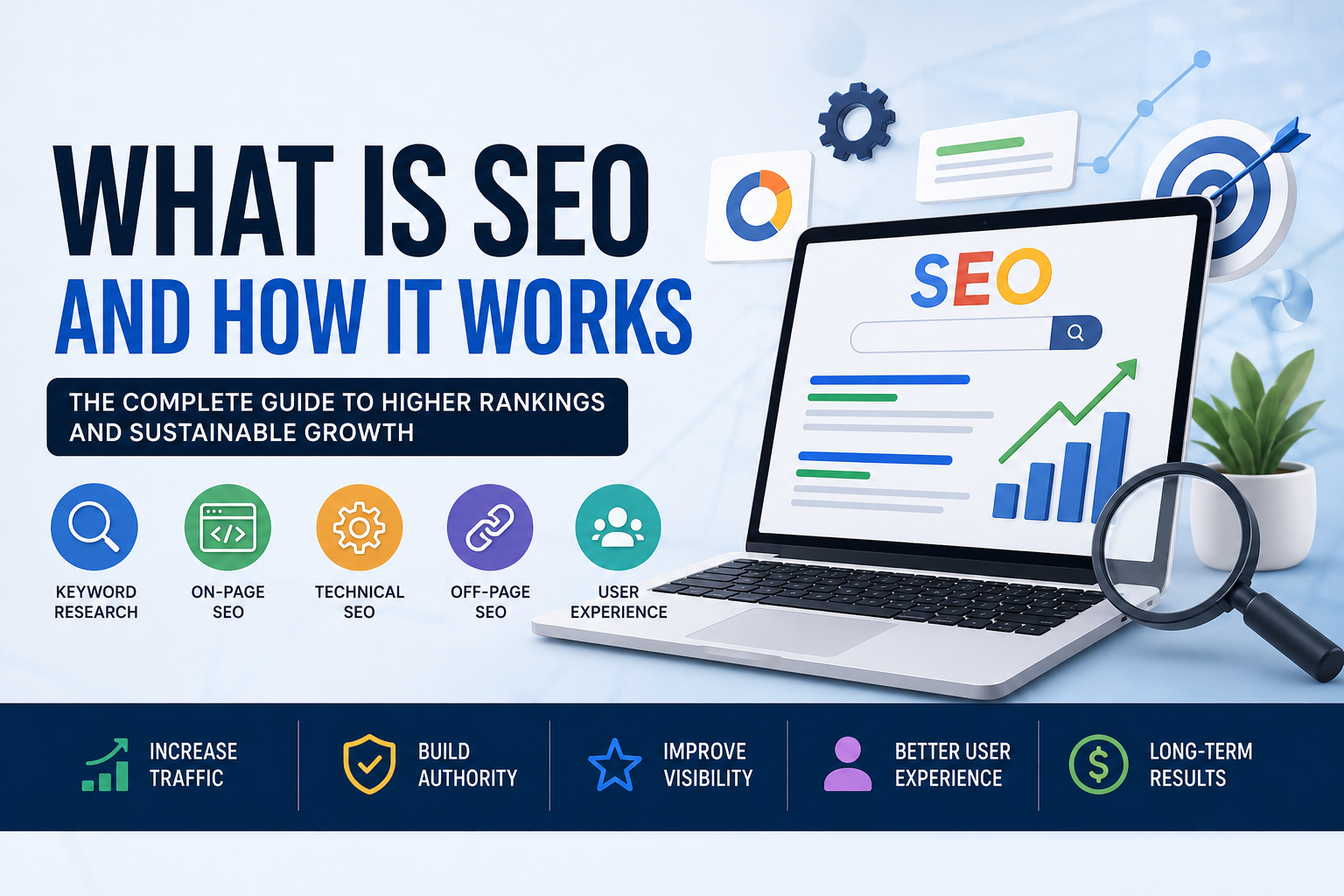


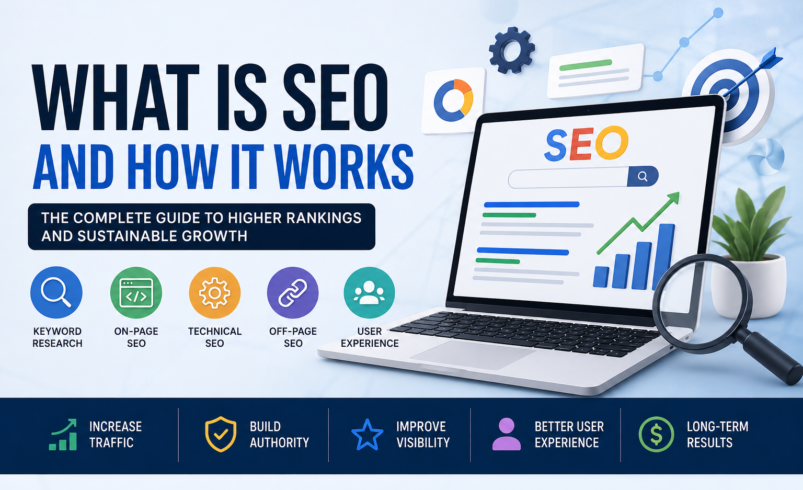

Search Engine Optimization (SEO) stands as a critical discipline within digital marketing. Its core purpose is to improve a website’s visibility within search engine results, driving relevant organic traffic. For any entity seeking an effective online presence, comprehending what is SEO and how it works is fundamental. This guide explores the foundational principles and practical mechanics behind achieving higher rankings and sustained digital growth.
What is SEO? The Foundation of Digital Presence
SEO Covers a set of practices designed to enhance a website’s position in organic, unpaid search engine results. When users search for information, products, or services, search engines like Google, Bing, and others present a list of relevant websites. The goal of SEO is to ensure a particular website appears prominently on that list, ideally on the first page, to capture user attention.
Organic Search vs. Paid Search: A Key Difference
It’s essential to differentiate between organic search results and paid search results. Organic results are achieved through effective SEO strategies, earning their position based on relevance, authority, and user experience, as determined by search engine algorithms.
Paid Search:
Paid search, often seen as ‘Sponsored’ or ‘Ad’ listings, involves bidding on keywords to display advertisements, typically through platforms like Google Ads. While paid search offers immediate visibility, organic traffic, cultivated through robust SEO, provides long-term, sustainable value and often higher trust from users.
Why SEO Matters for Your Website and Business
Strong SEO offers numerous benefits. Primarily, it leads to increased website traffic, as higher rankings correlate with more clicks. This enhanced visibility also contributes to greater brand recognition and credibility. Users tend to trust websites that appear high in organic search results. Furthermore, SEO often improves the overall user experience by encouraging site owners to create valuable, well-structured, and fast-loading content. Compared to continuous paid advertising, the traffic generated through SEO can be significantly more cost-effective over time, yielding a higher return on investment.
How SEO Works: The Mechanics of Search Engine Ranking
Understanding how SEO works involves grasping the fundamental process search engines employ to rank websites: crawling, indexing, and ranking. Search engine bots (crawlers) discover new and updated web pages, add them to their index (a vast database), and then apply complex algorithms to determine their relevance and authority for specific search queries, ultimately assigning a rank.
Keyword Research: Understanding User Intent
The initial step in any SEO strategy is thorough keyword research. This involves identifying the specific words and phrases that target audiences use when searching for information related to a website’s content, products, or services. Understanding user intent behind these keywords whether they are looking for information, navigation, or a transaction is crucial. Keywords can range from short-tail (broad terms like “shoes”) to long-tail (specific phrases like “men’s waterproof hiking boots size 10”), each serving different strategic purposes.
On-Page SEO: Optimizing Content and Structure
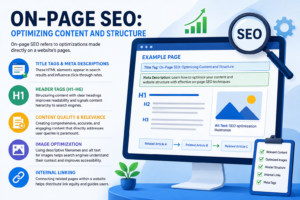
On-page SEO refers to optimizations made directly on a website’s pages. Key elements include:
- Title Tags and Meta Descriptions: These HTML elements appear in search results and influence click-through rates.
- Header Tags (H1-H6): Structuring content with clear headings improves readability and signals content hierarchy to search engines.
- Content Quality and Relevance: Creating comprehensive, accurate, and engaging content that directly addresses user queries is paramount.
- Image Optimization: Using descriptive filenames and alt text for images helps search engines understand their context and improves accessibility.
- Internal Linking: Connecting related pages within a website helps distribute link equity and guides users and crawlers through the site.
Technical SEO: Ensuring Site Health and Accessibility
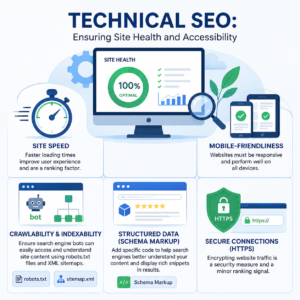
Technical SEO focuses on the backend and infrastructure of a website to improve its crawlability, indexability, and overall performance. Important aspects include:
- Site Speed: Faster loading times improve user experience and are a ranking factor.
- Mobile-Friendliness: Websites must be responsive and perform well on all devices.
- Crawlability and Indexability: Ensuring search engine bots can easily access and understand site content through tools like
robots.txtfiles and XML sitemaps. - Structured Data (Schema Markup): Adding specific code to help search engines better understand the content and display rich snippets in results.
- Secure Connections (HTTPS): Encrypting website traffic is a security measure and a minor ranking signal.
Off-Page SEO: Building Authority and Trust
Off-page SEO refers to activities performed outside of a website to improve its search engine ranking. The most significant factor is backlinks—links from other reputable websites pointing to yours. Search engines view these as “votes of confidence.” The quality and relevance of linking sites are far more important than the sheer quantity of links. Other off-page signals include brand mentions, social media engagement, and online reviews, all contributing to a website’s perceived authority and trustworthiness.
User Experience (UX) and SEO: The Interconnected Relationship
Search engines increasingly prioritize user experience as a ranking factor. Metrics such as bounce rate (users leaving quickly), time on page, and click-through rate (CTR) signal to search engines how valuable and engaging a website is. A positive user experience—achieved through intuitive navigation, clear content, fast loading, and mobile responsiveness—directly contributes to better SEO performance. Creating a valuable and easy-to-navigate website is no longer just good practice; it’s an SEO imperative.
Key Pillars of a Successful SEO Strategy
A successful SEO strategy is built upon continuous effort across several core areas:
- Consistent Content Creation: Regularly publishing high-quality, relevant content that addresses user needs and targets specific keywords.
- Technical Maintenance: Ongoing monitoring and optimization of site speed, mobile compatibility, and crawlability.
- Authority Building: Proactively earning high-quality backlinks and fostering brand mentions through outreach and valuable content.
- User Experience Focus: Continuously refining site design, navigation, and content presentation to ensure a positive experience for visitors.
Frequently Asked Questions About SEO
How long does it take to see SEO results?
SEO is a long-term strategy. Significant results typically take several months, often 4-6 months or more, depending on factors like industry competition, the website’s current state, and the resources invested. It’s not an instant solution but a sustained effort.
Is SEO still relevant in 2024?
Absolutely. SEO remains highly relevant and essential. While search engine algorithms evolve, the fundamental goal of connecting users with the most relevant and high-quality information persists. SEO adapts to these changes, ensuring websites continue to be discoverable.
What’s the difference between SEO and SEM?
SEM (Search Engine Marketing) is a broader term that encompasses both SEO (organic search optimization) and PPC (Pay-Per-Click) advertising. While SEO focuses on earning unpaid traffic, PPC involves paid advertisements. SEO is a component of SEM.
Conclusion: Mastering SEO for Sustainable Online Growth
Understanding what is SEO and how it works reveals it as a dynamic and essential component of any robust digital strategy. It’s not a one-time task but an ongoing process of optimization, adaptation, and improvement. By consistently focusing on creating valuable content, maintaining technical health, building authority, and prioritizing user experience, businesses can achieve sustainable online growth, attract relevant traffic, and solidify their digital presence.