

Achieving prominent online visibility requires more than just a good website; it demands a strategic approach backed by the right instruments. Just as a craftsman relies on a specific set of tools, anyone serious about search engine optimization needs a robust SEO toolbox. This collection of software and resources is not merely a convenience; it’s a critical component for understanding search engine algorithms, outperforming competitors, and ultimately, connecting with your target audience.
Editor’s Practitioner Insight: A common trap for digital teams is “tool sprawl”—subscribing to multiple SaaS platforms that collect redundant metrics. A functional toolkit is not defined by sheer volume; it is an integrated pipeline where raw crawler data, ranking telemetry, and first-party search metrics actively inform daily development and editorial roadmaps.
What is an SEO Toolbox and Why is it Essential?
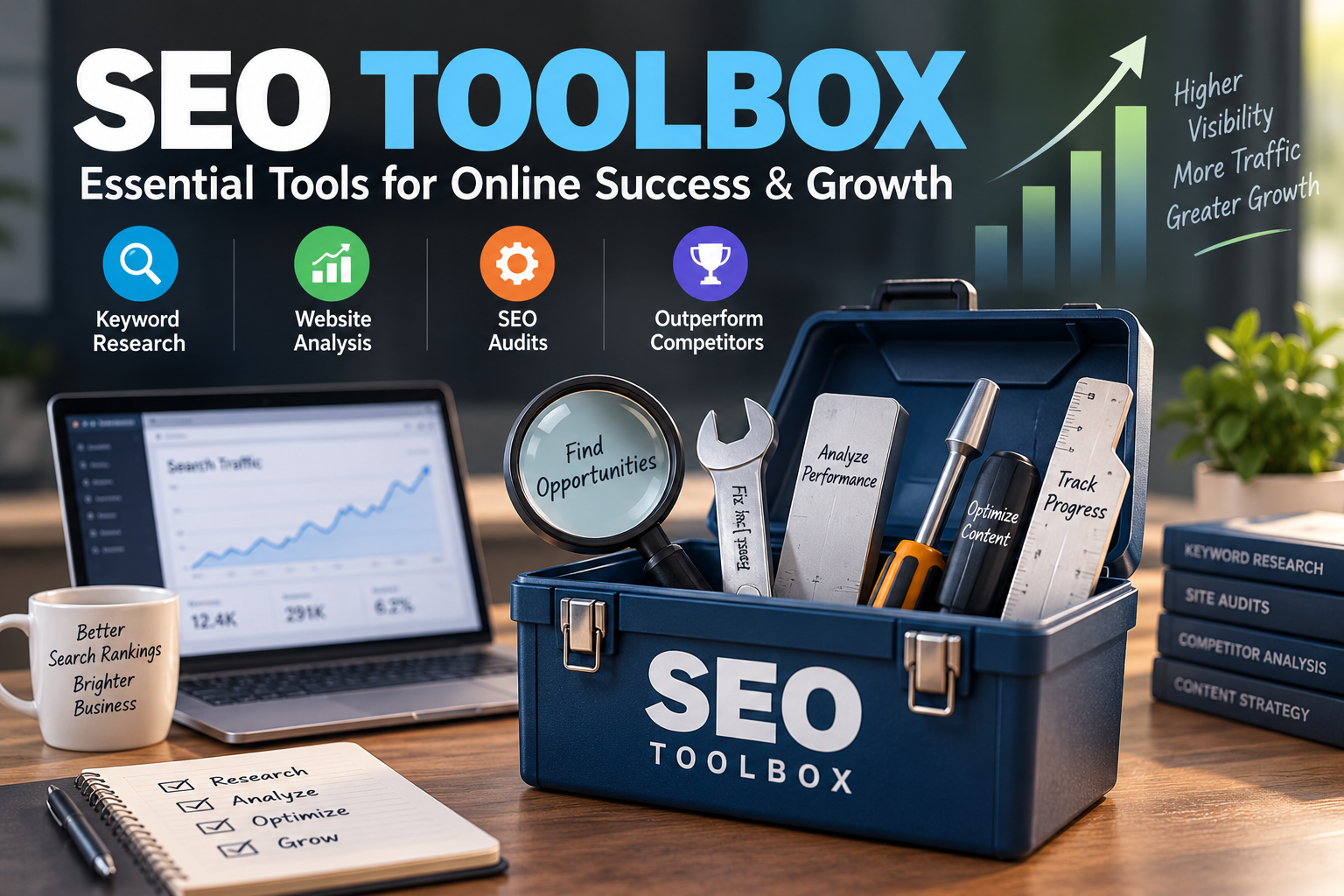
An SEO toolbox refers to a curated collection of digital tools and platforms designed to help optimize a website’s performance in search engine results. This comprehensive seo toolkit empowers marketers, business owners, and webmasters to analyze, monitor, and improve their online presence. The core benefits are multifaceted: it allows you to identify untapped opportunities, diagnose technical and content-related issues, monitor your progress against competitors, and adapt to the constantly evolving search landscape.
The Core Functions of a Comprehensive SEO Toolbox
A well-equipped SEO toolbox facilitates several primary tasks crucial for search success. These include understanding what your audience is searching for, analyzing competitor strategies to find gaps and strengths, and ensuring your website’s technical foundation is sound. Effective website seo analysis is paramount, covering everything from site speed to mobile responsiveness, ensuring search engines can efficiently crawl and index your content.
Key Categories of Tools in Your SEO Toolbox
To build a truly effective SEO toolbox, it’s helpful to categorize the types of tools available. The most effective strategies often combine several of the best seo tools from different categories to provide a holistic view of performance and opportunities.
Keyword Research Tools: Uncovering Search Demand
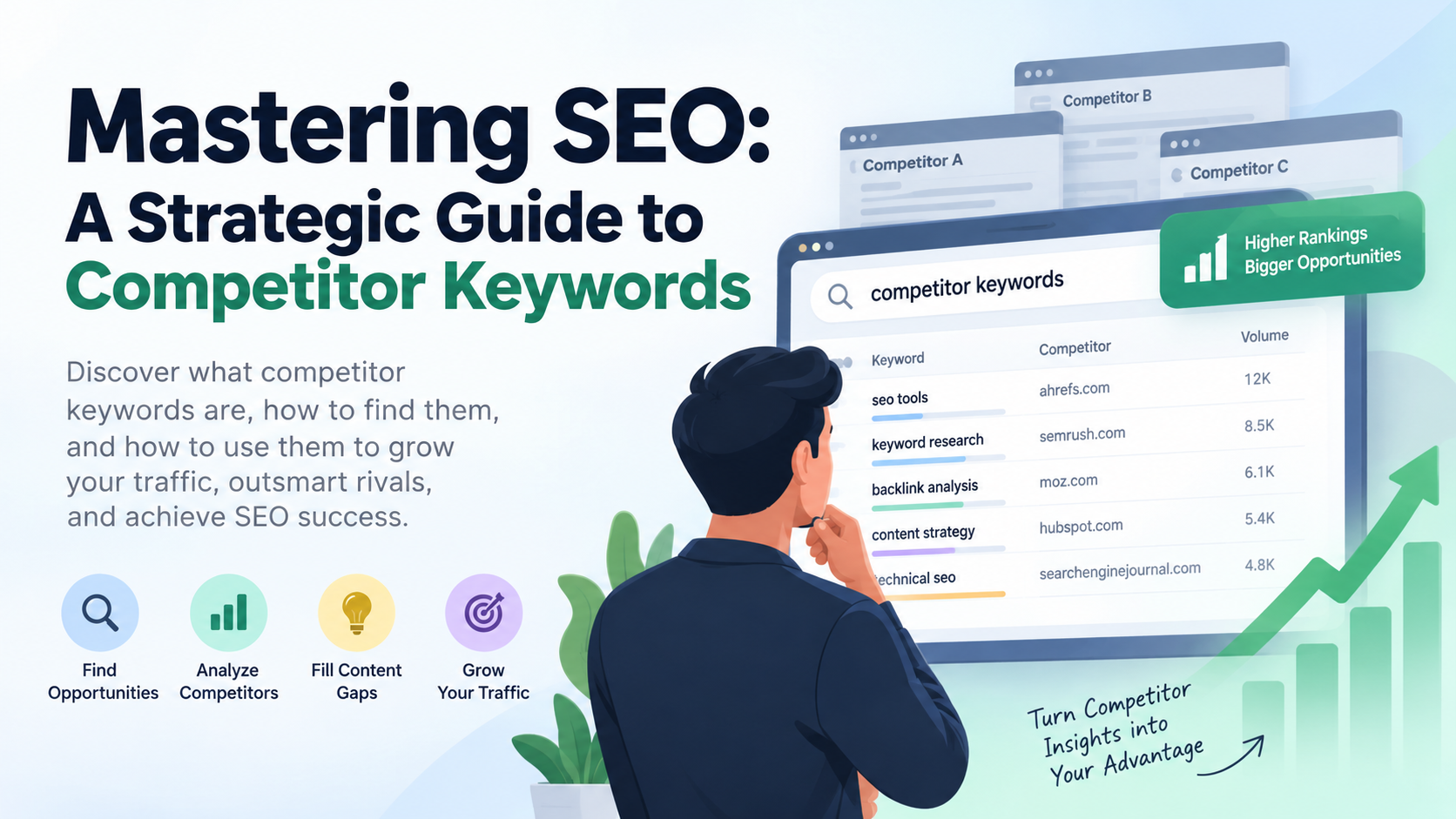
At the heart of any SEO strategy lies understanding what people search for. Keyword research tools are indispensable for identifying relevant search terms, analyzing their search volume, and assessing the difficulty of ranking for them. These tools guide content creation, helping you craft material that directly addresses user intent and drives qualified traffic to your site.
Navigating Metric Discrepancies:
Note that third-party platforms (like Semrush or Ahrefs) estimate monthly search volume using clickstream models and blended data pools, whereas Google Keyword Planner groups queries into broad bucketed ranges. Evaluating actual impressions inside Google Search Console remains the definitive method for validating true demand.
Website SEO Analysis and Audit Tools box: Diagnosing Site Health
Before you can rank, your website needs to be technically sound. Website seo analysis and seo audit tools scan your site for a myriad of issues that can hinder search performance. These include broken links, duplicate content, slow loading speeds, crawl errors, and problems with indexability. They also check for mobile-friendliness and proper use of meta tags, ensuring your site meets search engine guidelines.
Core Diagnostic Checklist for Audits:
- Crawlability & Rendering: Verify whether dynamic elements are rendered via server-side rendering (SSR) or dynamic rendering so search bots read content without JavaScript processing delays.
- Status Codes: Detect redirect chains (301/302 loops) and hard 404/500 errors draining crawl budget.
- Canonical Directives & Indexation: Confirm canonical tags point to self-referencing absolute URLs and check noindex tags on staging pages.
- Core Web Vitals: Monitor Largest Contentful Paint (LCP), Interaction to Next Paint (INP), and Cumulative Layout Shift (CLS) directly via Chrome UX Report (CrUX) integrations.
Rank Tracking Software: Monitoring Your Performance
Knowing where your website stands in search results for target keywords is fundamental to measuring SEO campaign effectiveness. Rank tracking software allows you to monitor your keyword rankings over time, identify trends, and see the impact of your optimization efforts. Many platforms also offer competitor tracking, providing insights into their performance, and some even include local SEO monitoring capabilities.
Backlink Analysis Tools: Understanding Your Link Profile
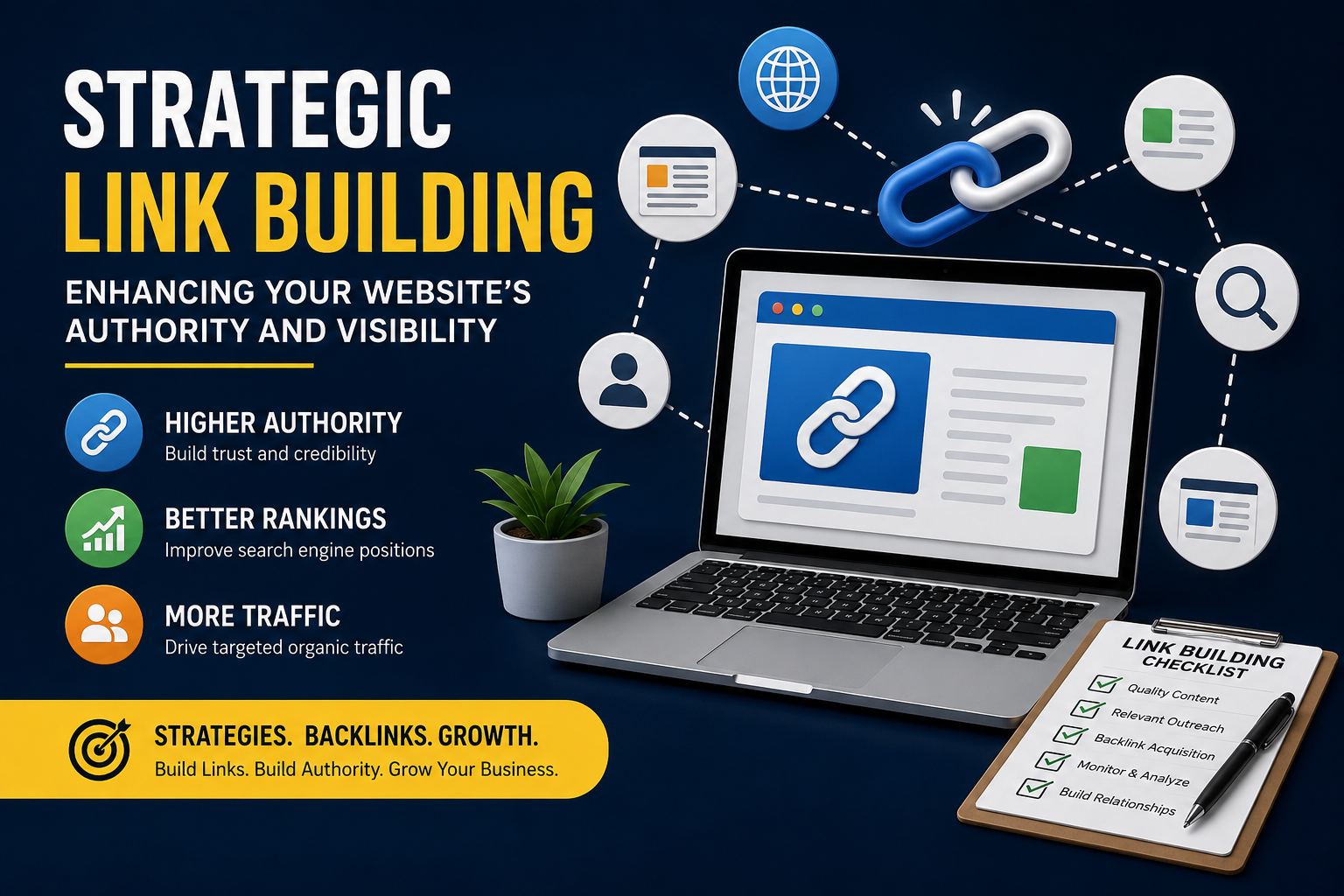
Backlinks remain a significant ranking factor. Tools dedicated to backlink analysis help you understand your website’s inbound link profile, identify potentially toxic links that could harm your rankings, and discover new link-building opportunities. A strong and healthy backlink profile is a vital component of any robust seo toolkit.
Modern Nuance on Link Audits & Google’s Penguin:
Per Google’s official Search Essentials documentation, automated algorithms ignore benign spammy inbound links naturally. The manual Disavow Tool is strictly recommended for sites subject to a manual penalty or conscious link-scheme involvement. Instead, focus backlink tool data on calculating link velocity, competitive gap acquisition, and lost-link reclamation.
On-Page Optimization and Content Intelligence Tools
Modern search engines employ natural language processing models to evaluate topical depth. Dedicated content intelligence tools analyze top-ranking SERPs to reveal entity relationships, semantically related terms, and structural patterns:
- Surfer SEO / Clearscope: Assist writers by benchmarking content against top-ranking entities, optimal word count ranges, and contextual header usage.
- Yoast SEO / Rank Math: Native CMS plugins that validate title tags, structured schema markup injection, open graph data, and XML sitemaps directly within your publishing interface.
Building Your SEO Toolbox: Paid vs. Free Options
When assembling your SEO toolbox, you’ll encounter a spectrum of options, ranging from powerful paid platforms to highly effective free seo tools. The choice often depends on your budget, specific needs, and the scale of your SEO efforts.
Top-Tier Paid SEO Tools for Comprehensive Analysis
For businesses and advanced practitioners, investing in top-tier paid platforms often provides the most comprehensive solution. Tools like Semrush, Ahrefs, and Moz offer an integratedseo toolkit with a full suite of features, including extensive keyword research, competitor analysis, site audits, rank tracking, and backlink analysis. These are often considered the best seo tools for those requiring deep insights and advanced functionalities.
Specialized Desktop Crawlers for Technical Practitioners
While cloud suites provide broad overviews, enterprise-level technical audits rely heavily on desktop web crawlers:
- Screaming Frog SEO Spider: The industry benchmark for auditing large-scale domains. It runs locally, maps deep internal link equity, analyzes canonical tags, and connects directly via API to Google Search Console, PageSpeed Insights, and Google Analytics.
- Sitebulb: Delivers visual crawl maps and prioritized diagnostic scoring, making technical debt digestible for engineering teams and stakeholders.
Effective Free SEO Tools for Getting Started
For those on a tighter budget or just starting out, numerous free seo tools offer significant value. Google Search Console provides invaluable data directly from Google about your site’s performance, indexing status, and crawl errors. Google Analytics offers deep insights into user behavior on your site. Google Keyword Planner assists with keyword research, while various browser extensions can help with on-page analysis. These are excellent resources for seo for beginners to build foundational knowledge without immediate financial investment.
Essential Zero-Cost Extensions & Utilities:
- Google Lighthouse & PageSpeed Insights: Official lab and field data measuring Core Web Vitals performance.
- Detailed SEO Extension / SEO Minion: Instant browser-level examination of on-page headers, meta tags, schema integrity, and canonical paths.
- Ahrefs Webmaster Tools (AWT): Free backlink profile tracking and basic technical crawl monitoring for verified domain owners.
SEO Toolbox Stacks by Stage and Budget
To help structure an efficient, non-redundant pipeline, here is how a balanced tool stack scales by budget:
| Growth Stage | Monthly Budget | Core Platform Stack | Primary Operational Purpose |
| Starter / Bootstrapped | $0 | Google Search Console + Google Analytics 4 + Screaming Frog (Free up to 500 URLs) + AWT | Baseline performance monitoring, indexing diagnostics, zero-cost keyword discovery |
| Growth / Mid-Tier | $100 – $300 | Semrush or Ahrefs + Screaming Frog Paid License + Surfer SEO | Comprehensive competitive intel, rank tracking, scalable content production |
| Enterprise / Multi-Site | $800+ | Enterprise Cloud Crawler (e.g., Botify or DeepCrawl) + BigQuery + Looker Studio + Ahrefs/Semrush API | Automated log file analysis, custom reporting pipelines, large-scale e-commerce tracking |
Choosing the Right SEO Toolbox for Your Specific Needs
Selecting the ideal SEO toolbox requires careful consideration of your objectives, resources, and current skill level. There isn’t a one-size-fits-all solution; the best tools are those that align with your specific goals.
Considerations for SEO for Beginners
If you’re new to search engine optimization, starting with free seo tools is a sensible approach. Focus on understanding fundamental concepts like keyword intent, on-page optimization, and technical SEO basics. Tools like Google Search Console and Google Analytics provide a wealth of information to learn from without the complexity or cost of premium platforms. This allows you to build a solid foundation before considering more advanced investments.
Scaling Your SEO Toolbox as Your Business Grows
As your business expands and your SEO needs become more sophisticated, your seo toolkit should evolve with it. What might have been sufficient for a small blog may not meet the demands of an e-commerce site with thousands of products. Gradually upgrading to more comprehensive paid platforms, or adding specialized tools for specific tasks, ensures you maintain a competitive edge. The best seo tools for a growing business are those that offer scalability and deeper analytical capabilities.
Connecting Your Tools: Building a Unified Looker Studio Dashboard
Collecting data across siloed tools creates reporting friction. An expert implementation links disparate data sources into a unified Looker Studio dashboard:
- Combine Data Sources: Blend Google Search Console query metrics with Google Analytics 4 conversion events to calculate actual organic revenue per landing page.
- Track Technical Progress: Import scheduled Screaming Frog audit reports stored in Google Sheets to monitor 404 count reduction and schema coverage over time.
- Automate Stakeholder Visibility: Set automated weekly updates highlighting keyword visibility trajectories, saving administrative overhead and centralizing strategic oversight.
Frequently Asked Questions About SEO Toolboxes
Here are some common questions regarding the use and selection of SEO tools:
- What is the single most important SEO tool? While no single tool does everything, Google Search Console is arguably the most critical as it provides direct communication and data from Google about your site’s performance.
- Can I do SEO without paid tools? Absolutely. Many free seo tools, especially those offered by Google, provide essential functionalities for effective optimization, particularly for seo for beginners or small projects.
- How often should I use my SEO audit tools? Regular audits are crucial. Depending on your site’s size and how frequently content changes, a monthly or quarterly audit using seo audit tools is a good practice to catch and fix issues promptly.
- Why do different keyword research tools show different search volumes? Third-party platforms utilize independent data-modeling techniques, third-party panel data, and historic trend calculations. No platform outside of Google has direct search log access, which causes variance across platforms. Use them for relative comparisons rather than literal headcounts.
- Are automated site audit scores an accurate indicator of ranking success? No. Proprietary scores (such as a 95/100 Site Health Score) are proprietary metrics created by tool vendors, not search engine ranking factors. Focus on clearing critical technical blockers such as indexation errors, broken canonical tags, and slow mobile experience rather than chasing a cosmetic perfect score.
Conclusion: Empowering Your SEO Strategy with the Right Tools
A well-assembled SEO toolbox is an indispensable asset for anyone aiming to succeed in search engine optimization. Whether you’re leveraging powerful paid platforms or making the most of robust free seo tools, the key is to choose instruments that align with your specific goals and resources. By effectively utilizing your seo toolkit, you can gain valuable insights, optimize your website’s performance, and achieve sustained online growth.