
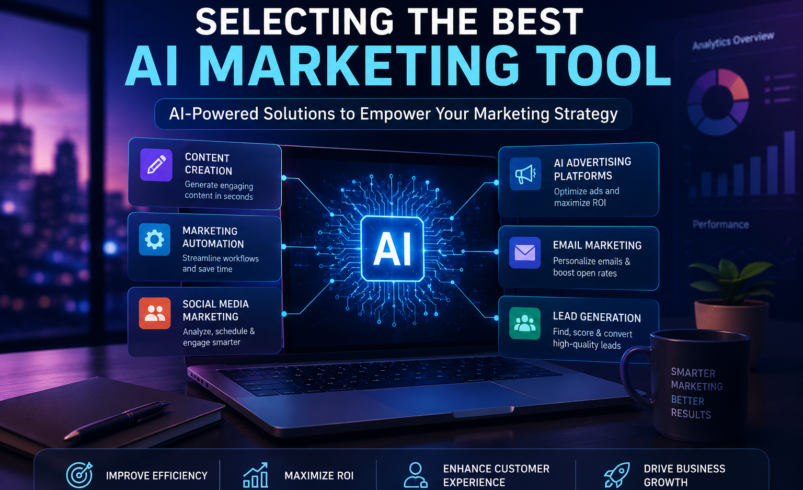

Artificial intelligence has fundamentally reshaped marketing operations, offering Extraordinary capabilities for personalization, efficiency, and strategic insight. For businesses aiming to maintain a competitive edge, leveraging AI is no longer optional – it’s essential. However, the sheer volume of available solutions makes identifying the best AI marketing tool a significant challenge. This guide explores the diverse landscape of AI-powered marketing platforms, helping you understand their functions and make informed decisions to empower your marketing strategy.
Essential AI Tool Selection Matrix
| Marketing Category | Primary Use Case | Leading Platform Examples | Key Efficacy Benchmark |
| Content Creation | Long-form drafting & ad copy | Jasper, Copy.ai, Writer | Reduces initial draft creation time by 30–50% |
| Marketing Automation | Omnichannel workflow execution | HubSpot, ActiveCampaign, Brevo | Increases lead conversion rates through behavior-based triggers |
| Social Media | Sentiment analysis & post timing | Sprout Social, Hootsuite, Brand24 | Boosts organic engagement rates via dynamic posting schedules |
| Digital Advertising | Bid management & creative variation | Albert.ai, Meta Advantage+, Smartly.io | Decreases cost-per-acquisition (CPA) through predictive targeting |
| Email Marketing | Send-time & subject line optimization | Phrasee, Seventh Sense, Mailchimp AI | Elevates average email open rates by 10–25% |
| Lead Generation | Predictive scoring & enrichment | Apollo.io, ZoomInfo, LeadIQ | Shortens sales cycle lengths by prioritizing warm prospects |
Understanding Core Best AI Marketing Tool Categories
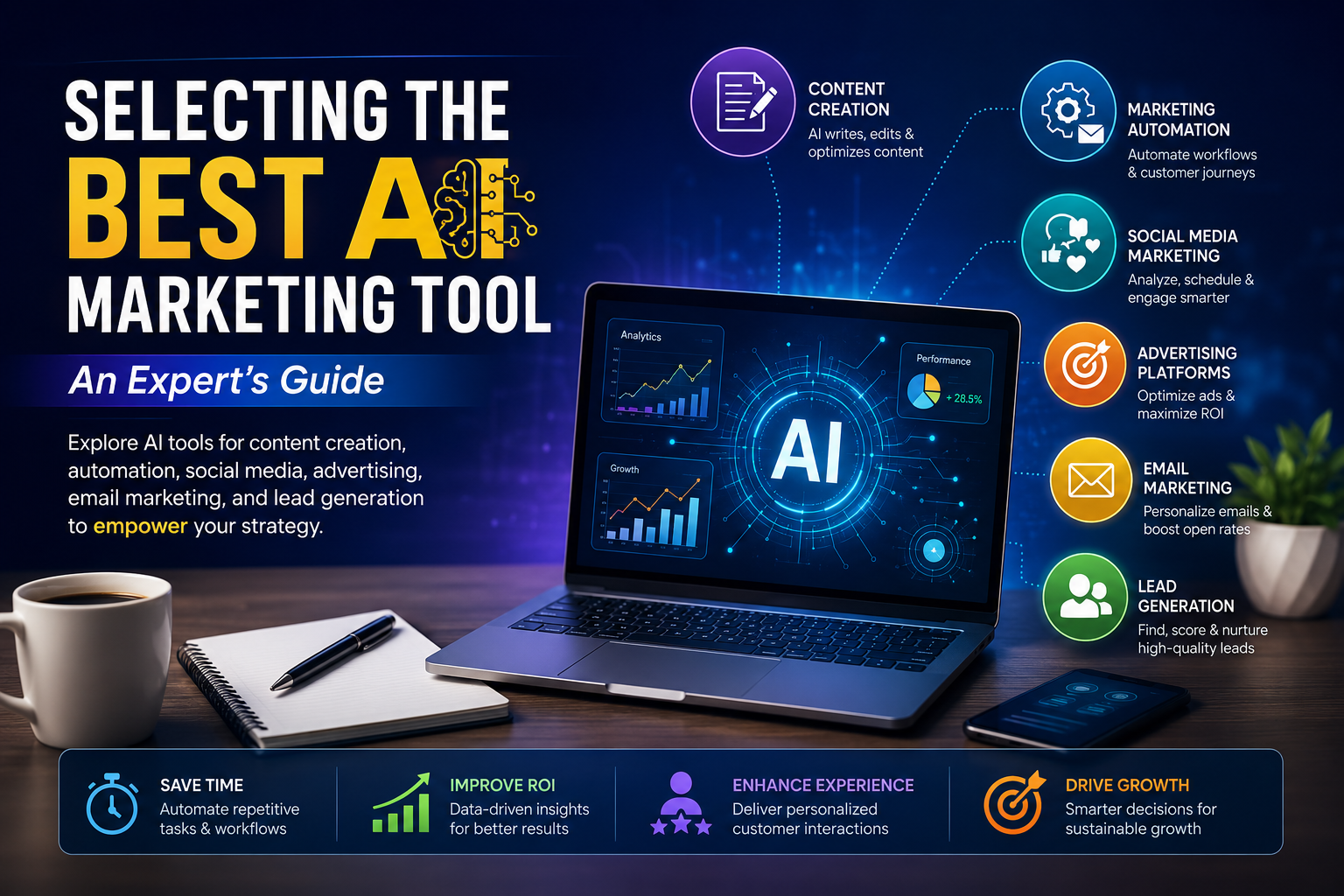
AI’s application in marketing spans a wide spectrum, from automating routine tasks to generating creative content. Categorizing these tools provides a clearer picture of their potential impact and helps in pinpointing solutions that align with specific business objectives. Key categories include AI marketing automation software and AI content creation tools, among others.
AI Content Creation Tools: Enhancing Output and Efficiency
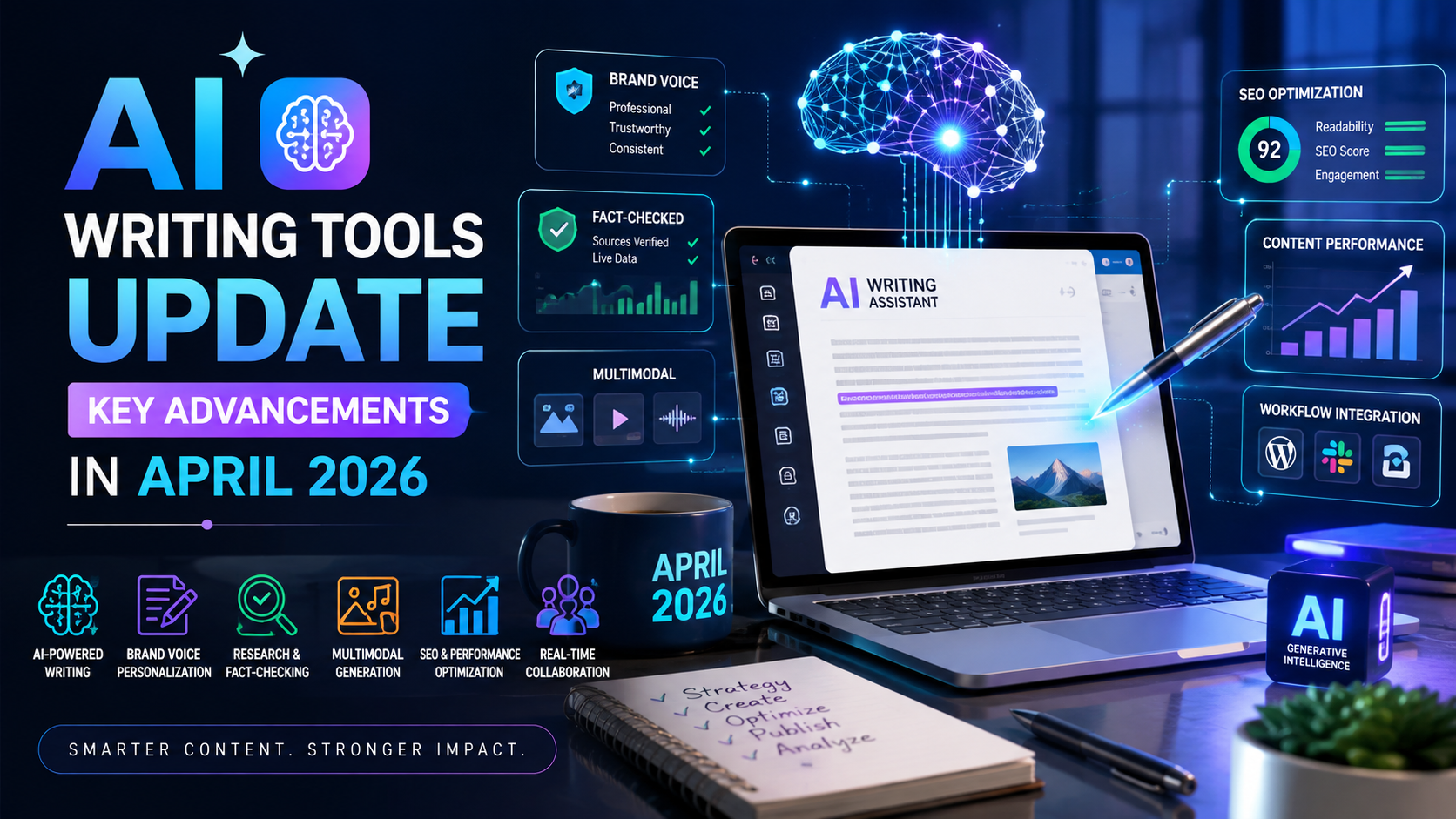
These tools Utilize AI to generate, optimize, and personalize marketing content across various formats. From drafting blog posts and social media updates to crafting compelling ad copy and video scripts, AI content creation tools significantly reduce the time and resources traditionally required for content production. They can also analyze existing content for performance, suggesting improvements for SEO and engagement.
**Expert Insight: Implementing Human-in-the-Loop (HITL) Workflows
- Fact-Checking & Source Verification: Always cross-reference statistical claims generated by natural language processing models against primary industry reports (such as McKinsey or Gartner) to eliminate hallucinations.
- Brand Voice Guardrails: Establish strict style guides within your prompt templates or platform settings to prevent tone drift across multi-author marketing teams.
- SEO Quality Audits: Use human editors to refine content for original commentary, expert anecdotal data, and intent matching rather than publishing unedited raw AI output.
AI Marketing Automation Software: Streamlining Workflows
At its core, Best AI marketing tool automation software aims to automate repetitive tasks, personalize customer journeys, and optimize campaign execution. This includes everything from scheduling email sequences and managing social media posts to segmenting audiences dynamically and triggering personalized interactions based on user behavior. The goal is to free up human marketers for more strategic work while ensuring consistent, relevant customer engagement.
AI Tools for Social Media Marketing: Engagement and Analytics
Social media platforms are data-rich environments, making them ideal for AI applications. AI tools for social media marketing assist with content scheduling, optimizing post timing for maximum reach, analyzing audience sentiment, identifying trending topics, and tracking campaign performance. These tools provide deep insights into audience behavior, enabling more effective engagement strategies.
AI Advertising Platforms: Precision Targeting and Optimization
Advertising has been transformed by AI’s ability to process vast datasets. AI advertising platforms excel at enhancing ad targeting by identifying high-value audiences, optimizing bid management in real-time, and even generating or refining ad creatives. This leads to improved campaign ROI by ensuring ads reach the most receptive audiences at the most opportune moments.
AI for Email Marketing: Personalization at Scale
Email remains a powerful marketing channel, and AI enhances its effectiveness through hyper-personalization. AI for email marketing can optimize subject lines for higher open rates, personalize email content based on individual preferences and past interactions, determine optimal send times, and segment audiences with greater accuracy . This results in more engaging and conversion-driven email campaigns.
AI Lead Generation Tools: Identifying and Nurturing Prospects
For sales and marketing teams, identifying and nurturing qualified leads is essential. AI lead generation tools assist in lead scoring, predicting which prospects are most likely to convert, identifying new potential customers based on existing data, and automating initial outreach. These capabilities streamline the sales funnel and improve conversion rates.
Key Considerations for Choosing the Best AI Marketing Tool
Identifying the best AI marketing tool for your organization requires a systematic evaluation process. With numerous options available, focusing on specific criteria helps narrow down the choices and ensures the selected software genuinely addresses your needs. When evaluating Top AI marketing software, consider the following factors:
Integration Capabilities and Ecosystem Fit
A crucial aspect is how well a new AI tool integrates with your existing marketing stack, CRM systems, and other business applications. Seamless integration ensures data flows freely, preventing silos and maximizing the utility of your AI-powered marketing platforms. Evaluate API availability, pre-built connectors, and the ease of data synchronization.
Scalability, Pricing Models, and ROI Potential
Consider whether the tool can grow with your business. Scalability is vital for long-term utility. Analyze the pricing structure-subscription models, usage-based fees, or tiered plans-and assess the potential return on investment. The Top AI marketing software should offer clear value that outweighs its cost, demonstrating tangible benefits like increased efficiency, higher conversion rates, or reduced operational expenses.
Ease of Use and User Interface (UI/UX)
An intuitive user interface and a positive user experience are critical for adoption and efficient operation. A complex tool, regardless of its power, will see limited use. Look for platforms with clear dashboards, easy navigation, and comprehensive support documentation or training resources.
Specific Features and Use Cases Alignment
Match the tool’s features directly to your specific marketing objectives and pain points. Do you need advanced natural language generation for content, sophisticated predictive analytics for advertising, or robust automation for customer journeys? Prioritize tools that offer strong capabilities in your most critical areas.
Data Privacy, Security, and Compliance
Given the sensitive nature of marketing data, robust data privacy and security measures are non-negotiable. Ensure the AI tool complies with relevant regulations such as GDPR, CCPA, and industry-specific standards. Understand how your data is stored, processed, and protected.
**Technical Security Audit: LLM Training Data & Enterprise Privacy
- Zero-Data Retention Protocols: Confirm with vendors whether your proprietary marketing data, customer records, or campaign assets are excluded from training public base models.
- SOC 2 Type II Certification: Check for independent audit reports verifying that software vendors adhere to rigorous enterprise data handling and storage standards.
- Role-Based Access Control (RBAC): Ensure administrators can restrict access to generative capabilities, customer lists, and financial analytics based on employee job roles.
Top AI Marketing Software: A Customized
Selection by Function
While the ultimate best AI marketing tool depends on individual business needs, certain types of solutions consistently stand out for their capabilities within specific marketing functions. This section highlights categories of Top AI marketing software based on their primary applications.
For Advanced Content Generation and Optimization
Leading AI content creation tools leverage sophisticated natural language processing (NLP) to generate diverse content types, from short-form ad copy to long-form articles. These platforms often include features for keyword optimization, tone adjustment, and content repurposing, helping marketers produce high-quality, engaging material at scale.
For Comprehensive Marketing Automation
The most effective AI marketing automation software offers end-to-end solutions for managing customer journeys. These platforms integrate email, social media, CRM, and analytics to automate personalized communications, segment audiences dynamically, and optimize campaign flows based on real-time data and predictive insights.
For Strategic Social Media Management
Specialized AI tools for social media marketing provide advanced analytics for audience sentiment, trend identification, and competitor analysis. They also offer intelligent scheduling, content recommendations, and automated engagement features to maximize reach and interaction across various social platforms.
For Optimized Digital Advertising Campaigns
Advanced AI advertising platforms utilize machine learning to optimize ad spend, target specific demographics with high precision, and dynamically adjust bids across multiple channels. They can also perform A/B testing on ad creatives and landing pages, continuously improving campaign performance and ROI.
For Hyper-Personalized Email Campaigns
When it comes to email, AI for email marketing solutions go beyond basic automation. They employ predictive analytics to determine the optimal send time for each recipient, personalize content blocks based on browsing history or purchase behavior, and even suggest subject lines that are more likely to drive opens and clicks.
For Efficient Lead Identification and Nurturing
Robust AI lead generation tools use predictive modeling to score leads, identify lookalike audiences, and enrich prospect data. They often integrate with CRM systems to automate initial outreach sequences and provide sales teams with actionable insights on the most promising leads.
**Step-by-Step Selection Framework: Assessing Your AI Readiness
- Conduct a Workflow Audit: Map your team’s repetitive marketing tasks to pinpoint bottleneck areas (e.g., spending 15 hours per week manually formatting social graphics or drafting ad variants).
- Determine Data Maturity: Evaluate your current data infrastructure. AI algorithms require structured, clean data in your CRM or CDP to deliver accurate predictive analytics and personalization.
- Establish Clear KPIs: Define measurable targets prior to software procurement (e.g., target a 20% reduction in cost-per-lead or a 30% speed improvement in content drafting).
- Initiate Proof-of-Concept (PoC) Pilots: Run 30-day trial periods with top-tier vendors focused on a single localized campaign before rolling out solutions enterprise-wide.
Best AI Marketing Tools for Small Business : Tailored Solutions
Small businesses often operate with limited budgets and resources, making the selection of the best AI marketing tool even more critical. For small businesses, the focus should be on accessibility, cost-effectiveness, and ease of implementation. Many vendors now offer scaled-down versions or specialized AI tools for small business marketing that provide significant value without requiring extensive technical expertise or large investments.
Look for tools that offer:
- Intuitive Interfaces: Minimal learning curve for quick adoption.
- Affordable Pricing Tiers: Plans designed for smaller budgets, often with essential features.
- Strong Integrations: Compatibility with common small business platforms like Shopify, Mailchimp, or basic CRM systems.
- Specific Use Cases: Tools that solve a clear, immediate problem, such as generating social media posts or automating email newsletters, rather than overly complex enterprise solutions.
**Practical Checklist: Small Business AI Tool Evaluation
- [ ] Does the software offer a transparent pay-as-you-go or tier-based plan without long-term contractual lock-ins?
- [ ] Can the platform integrate out-of-the-box with standard tools like Shopify, WordPress, or Mailchimp without custom API development?
- [ ] Does the vendor supply pre-built prompt libraries, template sets, or ready-to-use marketing automation flows?
- [ ] Is dedicated customer support, onboarding assistance, or a self-service knowledge base accessible?
Frequently Asked Questions About Best AI Marketing Tools
What is the learning curve for Best AI marketing tools?
The learning curve varies significantly by tool. Many modern AI-powered marketing platforms are designed with user-friendliness in mind, featuring intuitive interfaces and extensive documentation. However, tools with advanced analytics or complex automation workflows may require more time to master. Most providers offer tutorials, webinars, and customer support to assist users.
How do AI tools ensure data privacy?
Reputable AI marketing tools prioritize data privacy through various measures, including data encryption, secure servers, compliance with global data protection regulations (e.g., GDPR, CCPA), and strict access controls. It’s essential to review a vendor’s privacy policy and security protocols before adoption.
Can AI replace human marketers?
AI tools are designed to augment, not replace, human marketers. They automate repetitive tasks, provide data-driven insights, and enhance personalization at scale, freeing up human teams to focus on strategy, creativity, and complex problem-solving. The synergy between human expertise and AI capabilities yields the most effective results.
What’s the typical ROI for AI marketing software?
The ROI for AI marketing automation software and other AI tools can be substantial, often seen through increased efficiency, higher conversion rates, improved customer engagement, and optimized ad spend. Specific ROI figures depend on the tool’s implementation, the business’s existing processes, and the metrics tracked. Many businesses report significant gains in productivity and revenue within the first year of adoption.
Conclusion: Empowering Your Marketing Strategy with the Right AI
The strategic integration of AI is no longer a futuristic concept but a present-day imperative for marketing success. Identifying the best AI marketing tool involves a careful assessment of your specific needs, budget, and existing infrastructure. By understanding the diverse categories of AI-powered marketing platforms and evaluating them against key criteria, businesses can select solutions that drive efficiency, enhance personalization, and ultimately achieve superior marketing outcomes. Continuous evaluation and adaptation will ensure your AI investments remain aligned with your evolving business goals.