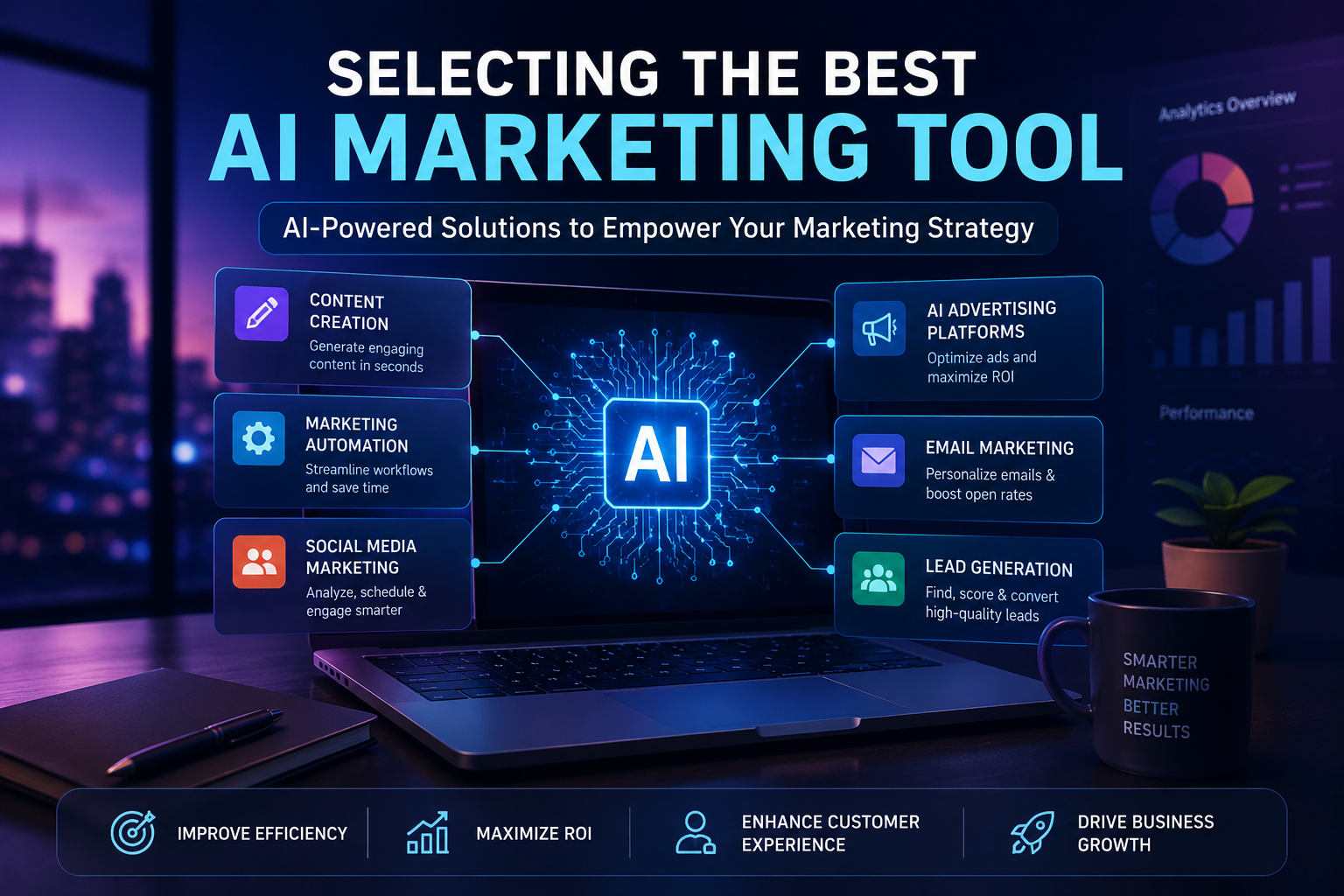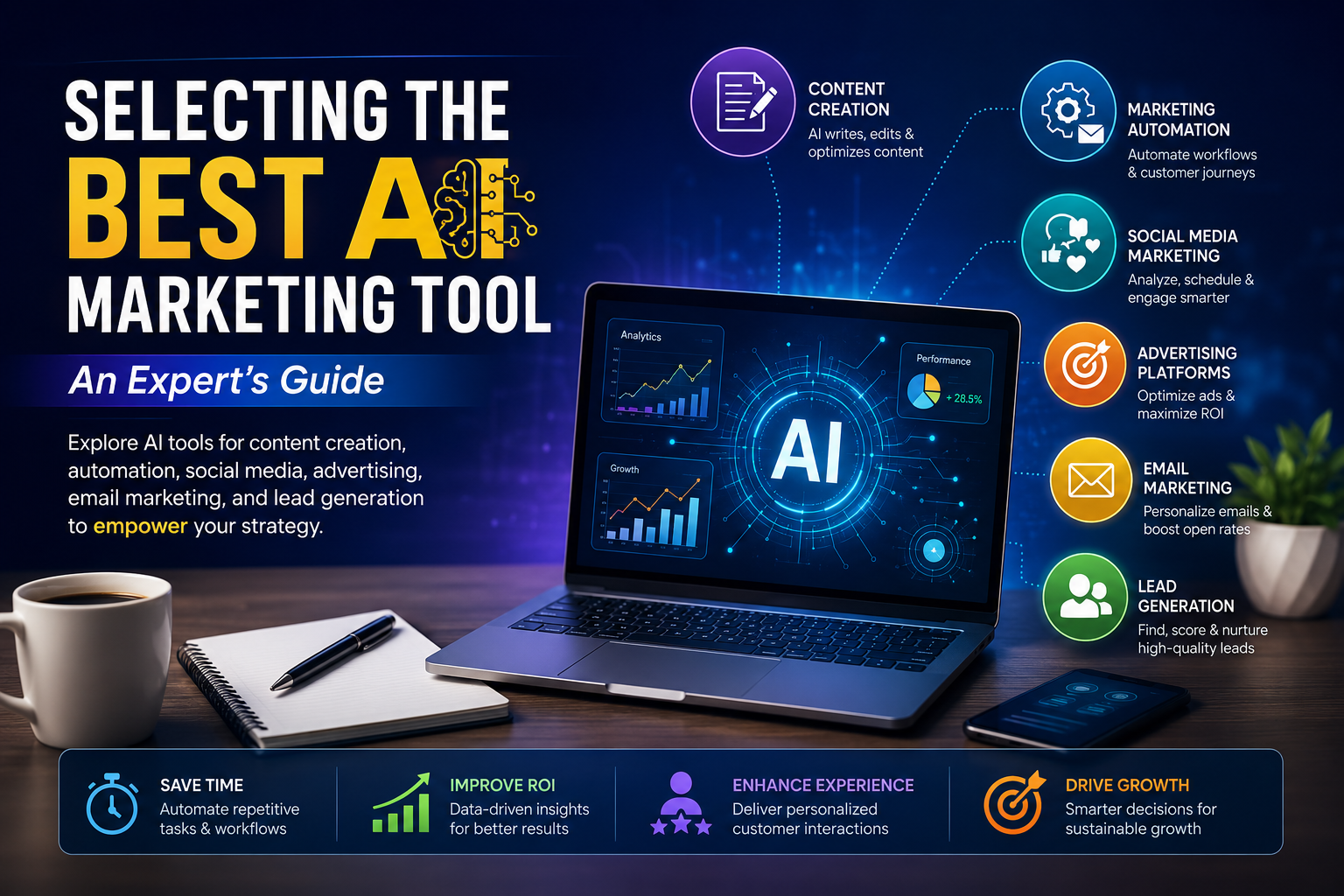

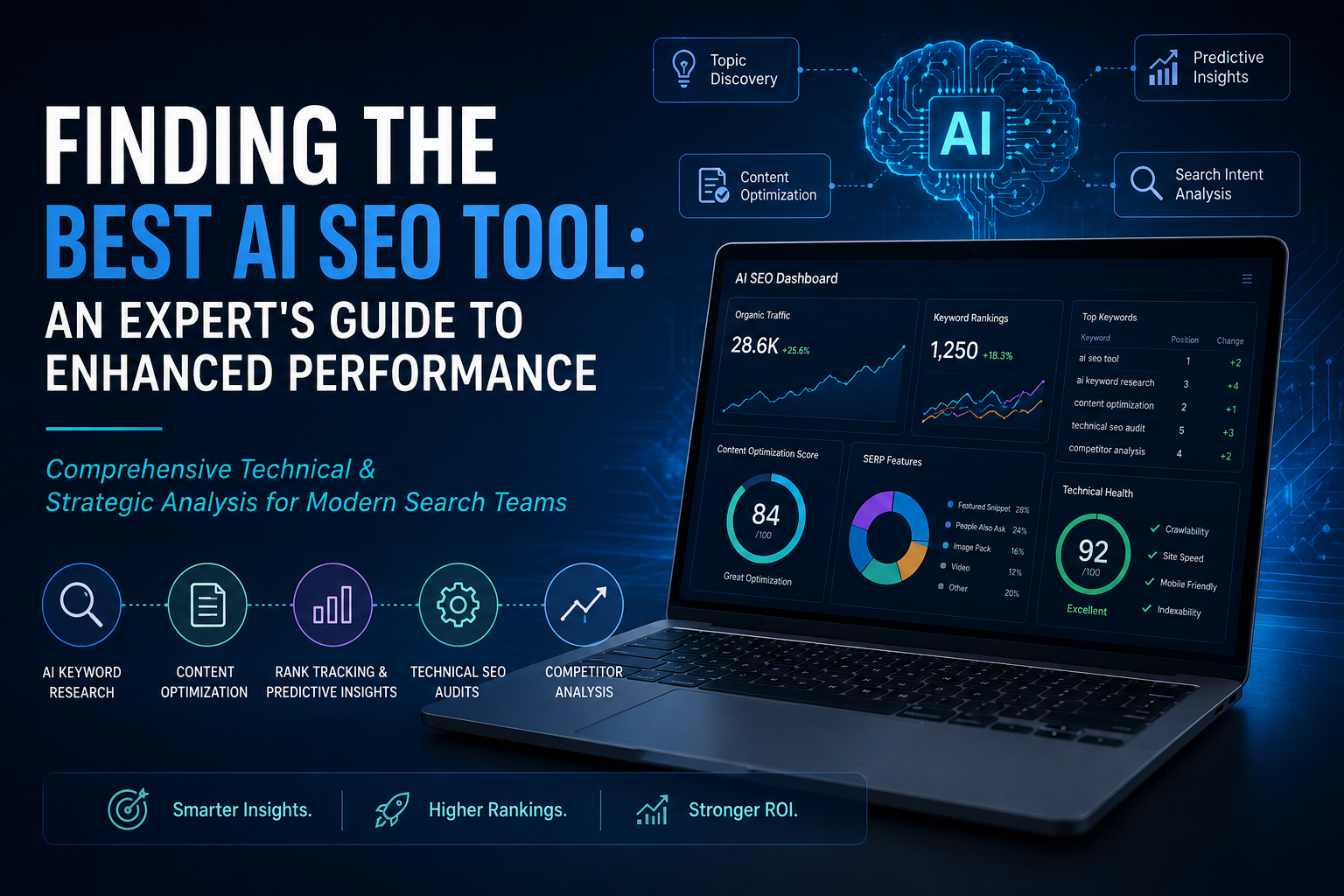
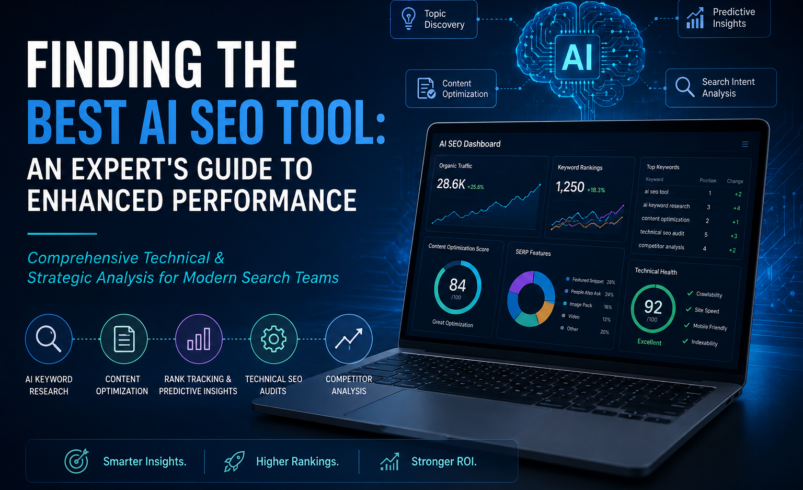

Artificial intelligence has fundamentally reshaped search engine optimization. The integration of AI capabilities into SEO workflows offers unprecedented opportunities for efficiency, accuracy, and strategic insight. For professionals and businesses aiming to maintain a competitive edge, identifying the best AI SEO tool is no longer optional; it’s a strategic imperative. This article explores how AI helps SEO, detailing the significant AI SEO benefits and guiding you through the features and considerations for selecting the right platform to elevate your digital presence.
📌 Senior Practitioner Note: Balancing Automation with Search Quality
While selecting an AI tool is critical, success hinges on understanding where algorithmic automation stops and human oversight begins. Google’s Search Quality Rater Guidelines emphasize Experience, Expertise, Authoritativeness, and Trustworthiness (E-E-A-T). Search engines prioritize information gain—content that introduces original insights, unique data points, or first-hand experience rather than regurgitated consensus. As you evaluate the tools detailed below, remember that the most effective AI strategy uses machine learning to accelerate analysis, topic discovery, and structural optimization, while leaving strategic intent, technical judgment, and final content refinement to experienced practitioners.
The Strategic Advantage: How AI Helps SEO
AI’s influence on SEO extends beyond simple automation, offering a strategic advantage that transforms how specialists approach their work. Understanding how AI helps SEO professionals involves recognizing its capacity to process vast amounts of data, identify complex patterns, and streamline operations, leading to substantial AI SEO benefits across the board.
AI’s Role in Data Analysis and Predictive Insights
AI algorithms excel at analyzing massive datasets far more quickly and thoroughly than human analysts. This capability allows AI to uncover subtle trends in search behavior, identify emerging topics, and even predict future ranking factors. By processing competitive landscapes, user intent signals, and algorithm updates, AI provides predictive insights that inform proactive SEO strategies, moving beyond reactive adjustments.
Enhancing Efficiency Through AI-Powered Workflows
Many routine and time-consuming SEO tasks can be significantly enhanced by AI. From monitoring keyword performance to identifying technical issues, AI streamlines these processes, reducing manual effort and minimizing errors. This automation frees up SEO specialists to focus on higher-level strategic planning, creative content development, and complex problem-solving, ultimately enhancing overall team efficiency.
Core Benefits of Deploying AI Across the SEO Lifecycle
To visualize how these efficiency and data gains translate to operational practice, consider the primary advantages across standard search campaigns:
-
Semantic Entity Mapping: Rather than targeting disconnected strings of text, AI models identify target entities, attributes, and topical nodes recognized in knowledge graphs, ensuring comprehensive topical authority.
-
Accelerated Intent Disambiguation: Machine learning models quickly classify SERP intent shifts (informational, transactional, commercial, navigational), preventing teams from targeting queries with the wrong content formats.
-
Real-Time SERP Volatility Monitoring: Pattern recognition algorithms detect macro ranking fluctuations during unconfirmed algorithm updates, surfacing early correlations between traffic dips and specific on-page or backlink factors.
-
Resource Optimization: Routine repetitive checks—such as title tag generation, metadata drafts, and broken link triage—are completed in seconds, allowing SEO teams to focus their billable hours on complex technical site architecture and link-earning campaigns.
Key Features Defining Top AI SEO Platforms
When evaluating potential solutions, certain features distinguish the top AI SEO platforms. These capabilities often revolve around advanced data processing, content generation, and workflow automation. A robust platform typically integrates sophisticated AI keyword research tools, powerful AI content optimization tools, and comprehensive AI SEO automation features.
Advanced AI Keyword Research Tools for Discovery and Analysis
Traditional keyword research can be laborious. AI transforms this by rapidly identifying long-tail opportunities, clustering related keywords by semantic intent, and performing competitive gap analysis at scale. These AI keyword research tools go beyond simple volume metrics, offering insights into user psychology and predicting keyword performance based on current trends and historical data.
Sophisticated AI Content Optimization Tools for On-Page Excellence
Creating content that ranks requires more than just keyword stuffing. AI content optimization tools assist in generating detailed content briefs, analyzing readability, suggesting semantic entities, and ensuring comprehensive topic coverage. They can evaluate existing content against top-ranking competitors, providing actionable recommendations for on-page improvements, internal linking, and overall content structure to achieve higher visibility.
Capabilities for AI SEO Automation Across Campaigns
AI SEO automation encompasses a range of functions designed to reduce manual workload. This includes automated reporting, technical SEO audits that pinpoint critical issues, and even intelligent link prospecting. By automating these repetitive tasks, teams can allocate resources more effectively, ensuring consistent execution of SEO best practices across multiple campaigns.
Granular Performance Tracking and Reporting
Beyond optimization, the best AI SEO tool provides granular performance tracking and reporting. AI-driven analytics can correlate various SEO efforts with measurable outcomes, offering insights into ROI and identifying areas for improvement. These platforms often present complex data in intuitive dashboards, making it easier to understand performance trends and make data-backed decisions.
Feature Evaluation Matrix for Modern AI SEO Platforms
| Feature Area | Core Capability to Look For | Practical SEO Impact | Risk to Monitor |
| Semantic Clustering | NLP-driven grouping of queries by shared SERP URLs | Eliminates keyword cannibalization; outlines comprehensive content hubs | Overly broad clusters grouping distinct intents together |
| Entity Optimization | Real-time extraction of related entities from top-ranking pages | Boosts topical relevance and alignment with Knowledge Graph systems | Over-optimization that compromises readability or natural voice |
| Automated Technical Triage | Algorithmic prioritization of crawl errors by traffic impact | Flags indexation and rendering blockers before revenue drops occur | Hallucinated code fixes or false alarms on custom JavaScript routing |
| Internal Link Graphing | AI suggestions based on vector embeddings and contextual relevance | Distributes PageRank efficiently without manual page-by-page mapping | Irrelevant anchor text placement inside non-contextual paragraphs |
AI SEO Software Comparison: In-Depth Reviews
To help navigate the options, here’s a high-level AI SEO software comparison, offering concise AI SEO platform reviews of hypothetical solutions, each with distinct strengths.
-
Platform A (Strengths in Content Generation and Optimization): This platform excels in providing AI tools for SEO content creation and refinement. It offers features like AI-powered content brief generation, semantic analysis for topic coverage, and real-time optimization suggestions as content is written. Ideal for content marketers and agencies focused on scaling high-quality, search-optimized articles and landing pages.
-
Platform B (Focus on Technical SEO and Automation): Platform B is a powerhouse for technical SEO. Its strengths lie in advanced site crawling, identifying critical technical issues (e.g., crawl budget, indexability, core web vitals), and offering automated fixes or clear recommendations. It’s particularly strong in AI SEO automation for large, complex websites or e-commerce platforms requiring constant technical oversight.
-
Platform C (Best for Comprehensive Analytics and Reporting): For those who prioritize deep insights and actionable data, Platform C stands out. It integrates various data sources (search console, analytics, competitor data) to provide a holistic view of SEO performance. Its AI-driven reporting can predict ranking fluctuations, identify emerging opportunities, and offer detailed ROI analysis, making it suitable for strategic decision-marketing and performance-driven teams.
Industry Benchmarks: Leading Market Solutions in Practice
To ground these category archetypes in real-world tooling used by enterprise and agency teams, here is how the dominant market platforms currently map to these functional tiers:
-
Surfer SEO & Clearscope (Content Optimization Specialists): Operating similarly to Platform A, these tools use natural language processing (NLP) to benchmark draft text against top-ranking SERP competitors. Clearscope prioritizes semantic entity coverage and readability grading, while Surfer delivers real-time Content Scores, structural recommendations (headers, image counts), and internal linking suggestions.
-
Sitebulb & Screaming Frog with AI Assist (Technical Diagnostics): Reflecting Platform B, modern technical audit suites integrate AI capabilities or local machine learning scripts to automatically summarize complex crawl logs, categorize rendering discrepancies across JavaScript frameworks, and isolate orphan pages at scale.
-
Semrush Copilot & Ahrefs AI Features (All-in-One Analytics Suites): Aligning with Platform C, enterprise suites leverage machine learning models across billions of historical SERP data points. Semrush Copilot, for instance, continuously scans your project domains to deliver prioritized alerts regarding algorithm volatility, competitor rank shifts, and missed backlink prospects.
Field Testing Checklist: How to Test an AI SEO Tool Before Subscribing
Before locking into an annual SaaS subscription, run this diagnostic test using the vendor’s trial period:
-
Test Semantic Entity Accuracy: Run a content brief for an ambiguous topic (e.g., ‘Python environment’). Verify whether the tool correctly isolates programming entities or confuses the context with wildlife.
-
Check for Output Hallucinations: When testing generative drafting features, cross-reference generated statistics, URLs, and regulatory references against original sources to check error rates.
-
Evaluate Competitor SERP Sampling: Inspect which competitors the tool extracts data from. The tool should allow you to exclude irrelevant aggregators, forums, or government domains that skew word count and entity averages.
-
Verify Credit and Token Usage: Determine whether automated audits, SERP refreshes, and content analyses share a single pool of platform credits or carry hidden upgrade costs.
Choosing Your Best AI SEO Tool: A Comprehensive Buying Guide
Selecting the best AI SEO tool requires careful consideration of your specific needs, budget, and long-term goals. The right choice can significantly impact your SEO success, whether you’re a small business or a large enterprise.
Aligning Tools with Specific SEO Goals and Budget
Before committing to a platform, clearly define your primary SEO objectives. Are you focused on content creation, technical audits, link building, or competitive analysis? Different tools specialize in different areas. Additionally, evaluate your budget. Many platforms offer tiered pricing, so match features to your financial constraints without compromising essential capabilities.
Scalability and Integration for Growing Businesses
Consider how the tool will grow with your business. A scalable solution can handle increasing data volumes and expanding SEO efforts. Furthermore, assess its integration capabilities with your existing marketing stack, such as CMS platforms, analytics tools, and CRM systems. Seamless integration ensures a cohesive workflow and maximizes data utility.
Tailoring AI SEO for Small Business vs. Enterprise Needs
The requirements for AI SEO for small business operations often differ significantly from those of large enterprises. Small businesses might prioritize ease of use, affordability, and tools that cover a broad range of basic SEO tasks. Enterprises, conversely, may need highly specialized features, advanced customization, robust reporting, and dedicated support for complex, large-scale campaigns. Understanding these distinctions is crucial for making an informed decision.
Common Pitfalls to Avoid When Adopting AI SEO Tools
Even the most sophisticated software can degrade organic visibility if deployed carelessly. Avoid these frequent mistakes:
-
Over-Reliance on Synthetic Content Generation: Publishing unedited, mass-generated AI articles often leads to thin content penalties, indexation delays, or loss of brand credibility. Every piece of drafted content requires human editorial refinement and factual verification.
-
Over-Optimizing to Arbitrary Content Scores: Chasing a perfect ‘100/100’ optimization score often causes writers to stuff recommended semantic terms unnaturally. Treat content scoring as an indicative baseline, not a rigid constraint.
-
Neglecting Technical Validation: Automated audit recommendations occasionally suggest disallowing critical directories or removing valid canonical tags. Always have an experienced technical SEO review automated code change recommendations before pushing them live to production.
-
Ignoring Knowledge Graph Integration: AI tools that focus exclusively on keyword density often miss broader entity associations. Ensure your platform helps you identify missing schema markup and structured data requirements.
Frequently Asked Questions About AI in SEO
What are the primary AI tools for SEO content?
Primary AI tools for SEO content include platforms that assist with content brief generation, keyword integration, semantic analysis, readability scoring, and even drafting initial content outlines or sections. They help ensure content is comprehensive, relevant, and optimized for search engines and user intent.
Can AI SEO automation replace human SEO specialists?
No, AI SEO automation is designed to augment, not replace, human SEO specialists. AI excels at processing data, identifying patterns, and automating repetitive tasks. However, human expertise remains essential for strategic thinking, creative problem-solving, understanding nuanced user intent, adapting to unforeseen algorithm changes, and building genuine relationships.
How do AI keyword research tools differ from traditional methods?
AI keyword research tools go beyond traditional methods by leveraging machine learning to uncover hidden semantic relationships, predict keyword trends, and analyze competitor strategies at a deeper level. They can cluster keywords by intent, identify emerging topics before they become mainstream, and provide more nuanced insights into searcher behavior than manual or basic tool-driven approaches.
Does Google penalize content written or assisted by AI SEO tools?
No. Google’s official search guidance explicitly states that content is evaluated on quality, helpfulness, and E-E-A-T principles rather than how it is produced. However, using automated tools to generate low-effort, unoriginal content solely to manipulate search rankings violates spam policies. Using AI to support research, structure, and optimization while ensuring human editorial review remains fully compliant.
How do AI SEO tools handle entity recognition and natural language processing (NLP)?
Modern AI platforms integrate Google’s Cloud Natural Language API or proprietary large language models to evaluate text semantically. Instead of merely scanning for exact-match keywords, these systems analyze syntax, sentiment, and entity salience—identifying how strongly related concepts, brands, and contextual entities connect to the overarching topic across top-ranking results.
Can small businesses manage SEO effectively using just one AI tool?
Yes, provided they select a balanced all-in-one platform rather than a hyper-specialized niche tool. Platforms offering combined keyword clustering, content grading, and basic site health auditing allow solo marketers or small business teams to cover the foundational pillars of SEO without managing multiple costly subscriptions.
Final Thoughts: The Future of AI in Search Optimization
Integrating the best AI SEO tool into your strategy is no longer a luxury but a necessity for achieving and maintaining search visibility. By leveraging AI for data analysis, content optimization, and workflow automation, businesses can enhance efficiency, gain deeper insights, and drive superior results. As the SEO landscape continues to evolve, embracing AI-powered solutions will be key to staying competitive and adapting to future challenges.